Research Article | | Peer-Reviewed

Assessment of Alpha Fetoprotein and Cancer Antigen-125 in Chronic Liver Diseases

Received: 7 July 2026     Accepted: 27 September 2026     Published: 31 October 2026
Views:       Downloads:
Abstract

Background and objectives: Alpha-fetoprotein (AFP) is a popular biomarker used for hepatocellular carcinoma, but it has poor sensitivity and specificity for other chronic liver diseases. Many studies suggest Cancer antigen 125 (CA-125) could offer better prospect. This study aimed to assess alpha-fetoprotein and cancer antigen-125 in Chronic Liver disease patients in Jos, Nigeria. Materials and Methods: This is a laboratory-based analytical study. A total of 80 patients with confirmed cases of chronic liver disease were recruited from April to July 2024. Enzyme-linked Immunosorbent Assay was used to analyse the blood samples. Results: Our data showed that the median levels of AFP and CA 125 varied significantly across the stages of liver disease. In AFP, the median levels were 3.7 ng/mL for hepatitis, 2.9 ng/mL for fibrosis, 5.7 ng/mL for cirrhosis, and 18.8 ng/mL for HCC, with a statistically significant difference across all stages (Kruskal-Wallis P = 0.049). Similarly, CA 125 levels increased progressively, with medians of 6.9 U/mL for hepatitis, 9.4 U/mL for fibrosis, 68.5 U/mL for cirrhosis, and 72.4 U/mL for HCC, demonstrating a highly significant difference across CLD stages (P < 0.005). The lack of significant impact of AFP in this regression model implies it may not play a major role in determining the progression or severity of CLD. A significant relationship between CA-125 and chronic liver disease suggests that rising CA-125 mirrors disease progression. Moreover, the regression model points to a stronger and significant role for CA-125; this indicator is more critical for assessing the severity of chronic liver diseases. Conclusion: Cancer antigen 125 (CA-125) was a more sensitive biomarker than alpha-fetoprotein in detecting chronic liver diseases.

Published in American Journal of Laboratory Medicine (Volume 11, Issue 4)
DOI 10.11648/j.ajlm.20261104.12
Page(s) 81-91
Creative Commons

This is an Open Access article, distributed under the terms of the Creative Commons Attribution 4.0 International License (http://creativecommons.org/licenses/by/4.0/), which permits unrestricted use, distribution and reproduction in any medium or format, provided the original work is properly cited.

Copyright

Copyright © The Author(s), 2026. Published by Science Publishing Group

Keywords

Alfa Fetoprotein, Cancer Antigen-125, Chronic Liver Disease, Alpha-fetoprotein

1. Introduction
Chronic liver disease (CLD) is a serious condition where the liver is damaged over a period of six months or more . This damage disrupts the liver's ability to perform its vital functions, such as producing clotting factors and proteins, removing toxins from the bloodstream, and producing bile for digestion . Chronic liver disease involves destruction of the liver cells and regeneration of abnormal hepatocytes, which could lead to various complications, including fibrosis (scarring), cirrhosis (severe scarring), and even liver cancer .
Several factors contribute to chronic liver disease. Some of the most common causes include: Viral infections , chronic consumption of Alcohol abuse , autoimmune disorders , and toxins including cigarette smoke . Other contributing factors to chronic liver disease include haemochromatosis (iron overload) and obesity; imbalanced diets, diabetes, and depression can also play a role .
Early diagnosis of chronic liver disease using blood tests could be challenging because symptoms often appear only in the advanced stages . Alpha-fetoprotein (AFP) is a commonly used biomarker for hepatocellular carcinoma (HCC), a severe complication of CLD, according to Heimbach . However, AFP has limitations in sensitivity and specificity for diagnosing CLD severity across various etiologies . Cancer antigen 125 (CA-125) has emerged as a promising biomarker in various liver pathologies; reports suggest CA-125 may offer advantages over AFP in certain liver disease contexts . However, further research is needed to evaluate the potential of CA-125 as a biomarker for chronic liver diseases. Therefore, we aimed to assess alpha-fetoprotein and cancer antigen-125 in Chronic Liver disease patients at the Jos University Teaching Hospital, Nigeria.
2. Materials and Method
2.1. Study Design
This is a laboratory-based analytical study. A total of 80 patients with confirmed cases of chronic liver disease were recruited from April to July 2024.
2.2. Study Area
This study was carried out at the Chemical Pathology Unit, Jos University Teaching Hospital, North Central Nigeria. It is located at latitude 80024 ‘North and longitude 80032 ‘east, in the North Central geographical zone of Nigeria. The state has an area of 26,899 square kilometres, and an estimated population of 3.5 million people.
2.3. Study Population
For this study, the population comprised confirmed cases of chronic liver disease patients from both the Outpatient Department and Inpatient Department attending Jos University Teaching Hospital (JUTH) within the period of April to July 2024.
2.4. Inclusion and Exclusion Criteria
Inclusion Criteria: Only confirmed cases of chronic liver disease patients within the ages of 18-85years and who are not suffering from any cancer-related case were included in this study.
Exclusion Criteria: Patients who are outside the age bracket of 18-85years and are suffering from any cancer-related case and pregnancy conditions.
2.5. Ethical Consideration
Ethical clearance and approval for the study (JUTH/DSC/REC/127/XXX1/2691) were obtained from the Jos University Teaching Hospital’s research and ethics clearance committee to conduct the research using their patients and facility. And consent/assent from the subjects was obtained, in keeping with the guidelines of the Declaration of Helsinki (1964) and good clinical practice.
2.6. Informed Consent
An informed consent form was developed and shared with all the participants, and they were guided on how to complete the consent form before they were allowed to participate in the study.
Only those who willingly agreed to participate in the study were recruited.
2.7. Sample Size Determination
The sample size was determined based on statistical considerations to ensure the study’s results are representative of the population.
The Fisher formula was used to calculate the adequate sample size for the research.
Formula, n=Z2P1-Pd2
where;
n- The sample size
z- The statistical confidence limit corresponding to 95%, which is =1.96
p- Prevalence of CLD 4.3% .
d- Degree of accuracy (precision) =0.043
q- 1-p
Attrition rate=10% of n (sample size)
Final sample size=value of n+10% of the value of n
Sample Size Calculation
n= 1.962x0.043 (1-0.043)
0.052
n= 3.8416x0.043 (0.957)
0.0025
n= 3.8416x0.041151
0.0025
n= 0.1580856816
0.0025
n= 63.23427264
n≈ 63
Attrition rate = 10% of 63 =6.3≈6
Final sample size =63+6=69
Therefore, 80 case subjects were used for the study.
2.8. Sample Collection and Preparation
A 5mL of blood was been drawn from all eligible individuals at the antecubital vein using sterile disposable vacutainer needles with a suitable holder into clean and properly labelled 7ml plain Clinical Chemistry vacutainer tubes and allowed to clot and retract before centrifuging at 3500 revolution per minute (rpm) for five (5) minutes and the serum was carefully separated into a well labeled cryovials tubes and stored at -20°C until laboratory analysis is carried out.
A structured interviewer-administered questionnaire was used to collect patients’ socio-demographic information, while retrospective information was extracted from the folders of patients who met the inclusion criteria. 5mL of blood was drawn from all eligible individuals from the antecubital vein using sterile disposable needles, with a suitable holder, into clean and properly labelled plain vacutainer tubes and allowed to clot and retract before centrifuging at 3500 revolutions per minute (rpm) for five (5) minutes, and the serum was carefully separated into a well-labelled cryovial and stored at -200C until laboratory analysis was carried out.
2.9. Sample Analysis
Serum samples were analysed for CA-125 and AFP using the ELISA technique. In this procedure, immobilisation takes place during the assay at the surface of a microplate well through the interaction of streptavidin coated on the well and exogenously added biotinylated monoclonal anti-CA-125 antibody, as described . Liver function tests of the patients were determined using Agappe Diagnostics kits, Kerala, India, while the CTP of each patient were calculated using the liver function parameters along with the patient’s clinical data
2.10. Statistical Analysis
Data were analysed using SPSS version 23. To assess the normality of the AFP and CA-125 distributions, the Kolmogorov-Smirnov test was employed. The test results indicated that AFP had a test statistic of 0.400 (p-value < 0.005), while CA-125 yielded a test statistic of 0.295 (p-value < 0.005), demonstrating that the data generated for both variables did not conform to a normal distribution. As a result, a non-parametric test, specifically the Kruskal-Walli’s test, was utilised to compare the biomarkers across different stages of chronic liver disease.
3. Results
The age distribution of the participants ranged from 20 to 85 years, with the majority falling within the 40-49 and 50-59 age groups, each comprising 25% of the sample (20 participants each). This was followed by those aged 30-39, accounting for 22.5% (18 participants). The age group of 60-69 made up 13.8% (11 participants), while the youngest group, aged 20-29, accounted for 6.3% (5 participants). Only 7.5% (6 participants) were aged 70 years or older. The mean age was 48.1 years with a standard deviation of 13.8, and the median age was 47 years, with an interquartile range of 38 to 56 years.
Table 1. Socio-demographic Characteristics of Study Participants based on age.

Variable

Frequency

Percent Mean±SD Median (IQR)

Age (years)

20-29

5

6.3 9.8

30-39

18

22.5 3.8

40-49

20

25.0 4.5

50-59

20

25.0 5.5

60-69

11

13.8 11.7

≥70

6

7.5 12.8

Total

80

100 48.1±13.8 47(38-56)

Regarding gender, 60% (48 participants) were male, while 40% (32 participants) were female. In terms of marital status, the vast majority of participants, 90% (72 individuals) were married. A smaller percentage, 8.8% (7 participants), were single, and only 1.2% (1 participant) was divorced. Educational attainment varied among the participants. Over half, 53.8% (43 participants), had attained tertiary education. Those with secondary education made up 18.8% (15 participants), while 10% (8 participants) had completed only primary education. A further 17.4% (14 participants) had no formal education.
In terms of occupation, civil servants constituted the largest group at 31.3% (25 participants). Farmers made up 28.8% (23 participants), followed by business people at 22.5% (18 participants). Artisans accounted for 7.5% (6 participants), while retirees and students each represented 5% (4 participants each) of the total sample.
Table 2. Socio-demographic Characteristics.

Variable

Frequency

Percent

Sex

Male

48

60.0

Female

32

40.0

Marital Status

Married

72

90.0

Single

7

8.8

Divorced

1

1.2

Education

None formal

14

17.4

Primary

8

10.0

Secondary

15

18.8

Tertiary

43

53.8

Occupation

Artisan

6

7.5

Business

18

22.5

Civil servant

25

31.3

Farming

23

28.8

Retiree

4

5.0

Student

4

5.0

The risk factors associated with chronic liver disease in the study participants were primarily assessed in terms of smoking, alcohol consumption, and drug use. The majority of participants, 93.7% (75 individuals), reported not smoking, while 6.3% (5 individuals) identified as smokers. In terms of alcohol consumption, 85% (68 participants) reported not drinking alcohol, whereas 15% (12 participants) acknowledged alcohol use. While those that engage in the use of prohibited drugs was the least common risk factor, with only 5% (4 participants) reporting use of prohibited drugs, meanwhile 95% (76 participants) stated they had never used prohibited drugs.
The stages of chronic liver disease among the participants were distributed across four categories as obtained from patients’ individual medical records: cirrhosis, fibrosis, hepatocellular carcinoma (HCC), and hepatitis. Fibrosis was the most common stage, affecting 33.7% (27 participants). Cirrhosis was observed in 26.3% (21 participants). Hepatocellular carcinoma (HCC) and hepatitis had equal numbers at 20% each (16 participants each). All 80 participants were accounted for across these stages.
CTP classification of chronic liver disease severity among the participants revealed that 38.8% (31 individuals) had severe disease. Also, 27.5% (22 participants) were classified as having moderate disease, while 33.8% (27 participants) had mild disease.
Table 3. Clinical characteristics of the study participants.

Variable

Frequency

Percent

Risk Factors Smoking

Yes

5

6.3

No

75

93.7

Alcohol

Yes

12

15.0

No

68

85.0

Prohibited drugs

Yes

4

5.0

No

76

95.0

Stages

Hepatitis

21

26.3

Fibrosis

27

33.7

Cirrhosis

16

20.0

HCC

16

20.0

Total

80

100.0

CTP(Class)

Mild

27

33.8

Moderate

22

27.5

Severe

31

38.8

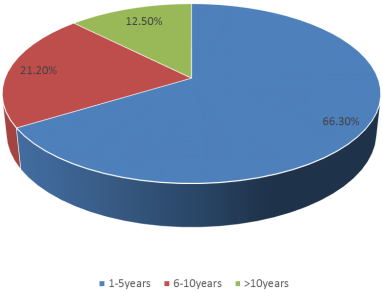
Figure 1. Showing the clinical characteristics of the study participants based on duration of exposure.
Table 4. Showing the socio- demographic characteristics of the study participants.

Variable

AFP

CA 125

Gender

Male

1.034±1.88

98.2±1.09

Female

12.76±3.04

39.21±7.22

P-value

0.22

0.19

Marital Status

Married

72.86±1.60

78.78±1.02

Single

18.38±4.02

41.36±8.60

P-value

0.304

0.289

Educational Status

Non-Formal

53.70±1.64

67.74±9.58

Primary

1.08±2.21

1.29±7.90

Secondary

1.11±1.74

1.02±1.10

Tertiary

48.58±1.28

57.16±9.79

P-value

0.78

0.04*

Occupation

Artisans

1.18±1.98

97.92±1.04

Business

47.2±1.39

68.90±8.73

C/Servant

70.50±1.67

52.80±9.14

Farmers

77.61±1.60

99.38±1.09

Herders

5.20±1.23

37.50±7.11

Retiree

83.28±1.59

1.43±1.68

Students

2.60±2.62

6.53±3.01

The mean and median distributions of Alpha-fetoprotein (AFP) and Cancer Antigen 125 (CA125) were reported with notable variability. The mean AFP level was 67.2 ± 153.3, while the median AFP was 4.4, with an interquartile range (IQR) of 2.6 to 22.8. For CA125, the mean level was 74.6 ± 99.7, and the median was 15.6, with an IQR of 7.0 to 145.1.
Table 5. Concentration of AFP and CA-125 in chronic liver disease patients.

Variable

Mean/SD

Median(IQR)

CA-125 (U/ml)

74.6±99.7

15.6(7.0145.1)

AFP(ng/ml)

67.2±153.3

4.4(2.6-22.8)

The median levels of AFP and CA 125 varied significantly across the stages of CLD. For AFP, the median levels were 3.7 ng/mL for hepatitis, 2.9 ng/mL for fibrosis, 5.7 ng/mL for cirrhosis, and 18.8 ng/mL for HCC, with a statistically significant difference across all stages (Kruskal-Wallis P = 0.049). Similarly, CA 125 levels increased progressively, with medians of 6.9 U/mL for hepatitis, 9.4 U/mL for fibrosis, 68.5 U/mL for cirrhosis, and 72.4 U/mL for HCC, demonstrating a highly significant difference across CLD stages (P < 0.005).
In patients with hepatitis, the correlation was negligible, with a Spearman's rho of 0.022 (P = 0.935), indicating no significant relationship. For those with fibrosis, a moderate positive correlation was observed (rho = 0.446, P = 0.020), which was statistically significant. In cirrhosis, a similar positive trend was noted (rho = 0.429), though it was not statistically significant (P = 0.053). Among patients with HCC, the correlation was weaker (rho = 0.359) and not statistically significant (P = 0.172).
Table 6. The relationship between AFP and CA-125.

Variable

AFP

CA125

Rho

Hepatitis

3.7(1.6-14.7)

6.9(5.8-10.3)

0.022(0.935)

Fibrosis

2.9(2.6-4.8)

9.4(6.2-49.6)

0.446(0.020*)

Cirrhosis

5.7(2.7-98.1)

68.5(25.4-207.5)

0.429(0.053)

HCC

18.8(4.4-146.4)

72.4(13.2-202.5)

0.359(0.172)

Kruskal-Wallis p-value

0.049*

<0.001*

For CA 125, median levels increased progressively with worsening CTP staging: 7.3 U/mL (range: 5.9-31.5) in mild cases, 10.8 U/mL (range: 6.9-186.4) in moderate cases and 37.5 U/mL (range: 16.3-164.6) in severe cases, with a statistically significant difference (P <0.001). In contrast, AFP levels did not vary significantly across CTP stages. Median AFP levels were 3.0 ng/mL (range: 2.6-19.2) in mild cases, 3.7 ng/mL (range: 1.6-12.0) in moderate cases and 5.7 ng/mL (range: 2.8-26.0) in severe cases (P = 0.311).
Table 7. Relationship between CA-125, AFP and CTP scoring.

Parameter

CTP

p-value

Mild

Moderate

Severe

CA125(Median/IQR)

7.3(5.9-31.5)

10.8(6.9-186.4)

37.5(16.3-164.6)

<0.001*

AFP

3.0(2.6-19.2)

3.7(1.6-12.0)

5.7(2.8-26.0)

0.311

Regression model is CLD=β0 +β1 ⋅AFP+β2 ⋅CA-125.
Therefore: CLD=2.207+0.001⋅AFP+0.002⋅CA-125.
1) Intercept (β0=2.207): This is the predicted value of CLD when both AFP and CA-125 are 0. (Baseline level of CLD).
2) Coefficient for AFP (β1=0.001): For every 1-unit increase in AFP, the CLD value is expected to increase by 0.001 units, holding CA-125 constant. The p-value is >0.05; the effect of AFP on CLD is not statistically significant.
3) Coefficient for CA-125 (β2=0.002): For every 1-unit increase in CA-125, the CLD value is expected to increase by 0.002 units, holding AFP constant. The p- value is <0.05, meaning that the effect of CA-125 on CLD is statistically significant.
The lack of significant impact of AFP in this regression model implies it may not play a major role in determining the progression or severity of CLD. A significant relationship between CA-125 and CLD suggests that rising CA-125 levels are linked to worsening severity. This might indicate that CA-125 reflects disease progression. Overall, the regression model attributes a stronger and significant role to CA-125, this indicator is likely more critical for assessing the severity of CLD compared to AFP. However, the overall contributions of the predictors are small given the low coefficients.
Table 8. Regression model for predicting severity of CLD using AFP and CA125.

Variable

Coefficients

P-value

β

Std. Error

Constant

2.207

0.138

0.000

AFP

0.001

0.001

0.196

CA125

0.002

0.001

0.046

4. Discussion
This study aimed at determining the serum level of CA-125 and AFP to predict chronic liver disease severity amongst chronic liver disease patients in Jos University teaching hospital. From the results, the study found out the age distribution of 40-49 and 50-59 with the highest frequency of 20 each with a record of 25%. This suggests the age range where the disease is mostly active. This result is consistent with the finding made by Ugo et al. which recorded the age range of 40-59 as the age with highest activity of chronic liver disease, and Echejoh et al. with age range of 41-50 as the most active ages for chronic liver disease.
The gender distribution saw a higher number of male participants (48) than females (32). This can be traced down to the lifestyles of the male gender as they are mostly predisposed to the common risk factors of chronic liver disease such as heavy alcohol consumption, smoking and drugs of different trends. This finding is consistent with Muhammad et al. ; Riccardo et al. and Han et al. . However, Abdul et al. reported a higher rate for female gender than male counterpart in Jos, Nigeria. The marital status distribution in this study recorded married participants with an outrageous representation of 72 out of a possible 80 subjects. This conforms to the finding made by Liang et al. and Xing et al. respectively who reported a higher number for married participants.
Educational attainment in the study recorded over half, 53.8% (43 participants), had attained tertiary education. This is also consistent with the findings by Mbang et al. who reported a higher number of participants with Higher education when compared to others. However, this finding negates the report recorded by Tommaso et al. and Yuanyue et al. , who recorded a higher prevalence for participants with non-formal education respectively. In terms of occupation, civil servants constituted the largest group at 31.3% (25 participants). Farmers made up 28.8% (23 participants), followed by business people at 22.5% (18 participants). Artisans accounted for 7.5% (6 participants), while retirees and students each represented 5.0% (4 participants each) of the total sample. However, Gabriel et al. reported a higher prevalence for Artisans in eastern Nigeria.
In this study, alcohol consumption is the highest risk factor with 15% (12 participants). This study conforms to Asrani et al. who reported a high prevalence for alcohol users. This result contradicts that of Mbang et al. who reported HBsAg and HCV as the major risk factors for CLD cases. The clinical staging of the disease base on this study showed that fibrosis has the highest number of participants 27 (33.7%) of the study population and cirrhosis with 21 (26.3%). However, the study by Ashish and Shivaraj contradicts this finding as it records cirrhosis as the most active stage of the disease. Similarly, the scoring of the diseases base on the CTP, records class A (mild) as the most common scoring class, this class has the highest survival rates for CLD patients across the globe, this finding is in concordance with that of Sabrina et al. .
The demographic characteristics of the study participants, for gender, the AFP for females was significantly higher than the male counterparts while CA-125 was higher in males than females, this result is not consistent with Zhou et al. , who documented otherwise. For Marital status, the married class had a higher significance than the other groups this can be traced down to the higher number of participants in this category. Educational attainment recorded a higher number of participants for those with non-formal education in the two indicators when compared to other class. Occupation had a high significance for retiree in AFP while that of CA-125 had a high significance among farmers this has proven that the demographic information has great influence on the progression of the disease, this finding is in agreement with Shashank et al. , who recorded a similar report.
The mean levels of CA-125 (74.6±99.7) and tAFP (67.2±153.3) suggests that both indicators have a clear predictive significance for evaluating chronic liver disease severity. This finding is in agreement with Hogendorf et al. and Kim et al. respectively. The relationship between the two indicators across the different stages of chronic liver disease showed that at fibrosis stage that the indicators were statistically significant with a Spearman's rho of = 0.446 and a p-value of = 0.020. However, there are no documented studies that confirm this significance at the said stage of the disease hence this finding will be the first to suggest such valuable information concerning the excruciating disease.
The relationship between CA-125 and AFP using the child-turcottepugh score. C-125 was significantly a better indicator of chronic liver disease severity with P < 0.001 while AFP has P = 0.311. This result is in concordance with Qureshi et al. , who documented a high level of CA-125 for liver cirrhosis patients with ascites. To determine the predictive abilities of these indicators while AFP is a very useful marker in chronic liver disease management, CA-125 is a better marker for predicting chronic liver disease severity. CA-125 had a P- value of <0.05 which shows that it is statistically significant. This result is consistent with Zhou et al. , who reported that CA-125 levels have high predictive value for determining severity and progression of liver disease.
5. Conclusion
This study found out a significant positive relationship between AFP and CA-125 levels, indicating a good association between the two indicators when combine together in predicting chronic liver disease severity. Similarly, this can be confirmed statistically by the Spearman's rho for correlation of the two indicators which is 0.445, confirming the strength and significance of this relationship.
Abbreviations

ALP

Alpha-Fetoprotein (AFP)

CA

Cancer Antigen

CLD

Chronic Liver Disease

HCC

Hepatocellular Carcinoma

Author Contributions
Fador Nimfa Geofery: Conceptualization, Data curation, Investigation, Methodology, Project administration, Software, Supervision, Validation, Visualization, Writing – original draft, Writing– review & editing
Olaniru Olumide Bamidele: Investigation, Methodology, Project administration, Supervision, Validation, Visualization, Writing – review & editing
Lucius C. Imoh: Investigation, Methodology, Project administration, Supervision, Validation, Visualization, Writing– review & editing
Ephron Ephraim Yerembede: Investigation, Methodology, Project administration, Supervision, Validation, Visualization, Writing– review & editing
Odu Stephen Iyeje: Software, Writing – original draft, Writing– review & editing
Orshio Augustina Dooshima: Software, Writing – original draft, Writing– review & editing
Jeremiah Pontim Dangnap: Software, Writing – original draft, Writing– review & editing
Kyesmen Nankyer Isah: Software, Writing – original draft, Writing– review & editing
Idighri Omoghene Freeman: Visualization, Writing– review & editing
Nnamdi Clinton Obinna: Visualization, Writing– review & editing
Samuel Nwoke: Visualization, Writing– review & editing
Umar Mohammed: Visualization, Writing– review & editing
Solomon Matthias Gamde: Visualization, Writing– review & editing
Data Availability Statement
Data are available with the corresponding author on reasonable request.
Conflicts of Interest
The authors declare no conflicts of interest.
References
[1] Ladep, N. G., S. M. F. Akbar, and M. Al Mahtab. Global Epidemiology of Chronic Liver Disease. Clinical Epidemiology of Chronic Liver Diseases, 2019: 41-55.
[2] Moon, A. M., Singal, A. G., & Tapper, E. B. Contemporary epidemiology of chronic liver disease and cirrhosis. Clinical Gastroenterology and Hepatlogy, 2020; 18(12): 2650, -2666.
[3] European Association for the Study of the Liver. EASL Clinical Practice Guidelines on nutrition in Chronic Liver Disease. Journal of Hepatology, 2019; 70(1): 172-193.
[4] Cheemerla, S., & Balakrishnan, M. Global Epidemiology of Chronic Liver Disease. Clinical Liver Disease, 2020; 17: 365-370.
[5] Stanaway, J. D., Afshin, A., & Gakidou E. Global, regional, and national comparative risk assessment of 84 behavioural, environmental and occupational, and metabolic risks or clusters of risks for 195 countries and territories 1990-2017: a systematic analysis for the Global Burden of Disease Study. Lancet, 2017; 392: 1923-94.
[6] Xiao, J., Wang, F., Wong, N. K., He, J., Zhang, R., & Sun, R. Global liver disease burdens and research trends: Analysis from a Chinese perspective. Journal of Hepatology, 2019; 71: 212-221.
[7] Ooi, P. H., Hager, A., Mazurak, V. C., Dajani, K., Bhargava, R., Gilmour, S. M., & Mager, D. R. Sarcopenia in chronic liver disease: impact on outcomes. Liver Transplatation, 2019; 25(9): 1422-1438.
[8] Eslam, M., Sarin, S. K., Wong, V. W. S., Fan, J. G., Kawaguchi, T., Ahn, S. H., & George, J. The Asian Pacific Association for the Study of the Liver clinical practice guidelines for the diagnosis and management of metabolic associated fatty liver disease. Hepatology international, 2020; 14(6): 889-919.
[9] Lombardi, R., Petta, S., Pisano, G., Dongiovanni, P., Rinaldi, L., Adinolfi, L. E., Acierno, C., Valenti, L., Boemi, R., Spatola, F., Craxì, A., Fargion, S., & Fracanzani, A. L. Fibro Scan Identifies Patients with Nonalcoholic Fatty Liver Disease and Cardiovascular Damage. Clinical Gastroenterology Hepatology, 2020; 18: 517-519.
[10] Heimbach JK, Kulik LM, Finn RS, Sirlin CB, Abecassis MM, Roberts LR, Zhu AX, Murad MH, Marrero JA. (2018, updated guidance used in 2020 practice). AASLD Practice Guidance on Prevention, Diagnosis, and Treatment of Hepatocellular Carcinoma. Hepatology. 2018; 68(2): 723-750.
[11] Hanif, H., Ali, M. J., Susheela, A. T., Khan, I. W., Luna-Cuadros, M. A., Khan, M. M., & Lau, D. T. Update on the applications and limitations of alpha-fetoprotein for hepatocellular carcinoma. World Journal Gastroenterology, 2022; 28(2): 216-229.
[12] Ali Agada, Samuel, Odama, Richardikani, Kenechukwu, Chibuikeonyekwelu, Okang, Sunday Obi, and Ezeh, Charles Ogbonna. “Epidemiology of Chronic Liver Disease in Nigeria: A Review”. Asian Journal of Advances in Medical Science, 2020; 2 (1): 63-68.
[13] Ugo, F., Francesco, A., Eliana, F., Angela, D., Francesco, D., & Maria, C. C. Prevalence of chronic liver disease among young/middle-aged adults in Northern Italy: role of hepatitis B and hepatitis C virus infection by age, sex, ethnicity. Heliyon, 2019; 5(7): e02114.
[14] Echejoh GO, Tanko MN, Manasseh AN, Silas OA, Ogala-Echejoh SE, Mandong BM. Liver Cirrhosis in Jos, North- Central Nigeria. Jos Journals of Medicine. 2008.
[15] Muhammad, M., Mansur, F. M., Maryam, Shehu S. A., Ahmed, K. B., Patrick, O. E., Umar, A., Yusuf, B. J., &Shettima, K. M. Demographic Profile and Etiology of Hepatocellular Carcinoma in Zaria, Northern Nigeria. African Journals Online,
[16] Riccardo Nevola, Giovanni Tortorella, Valerio Rosato, Luca Rinaldi, Simona Imbriani, Pasquale Perillo, Davide Mastrocinque, Marco La Montagna, Antonio Russo, Giovanni Di Lorenzo, Maria Alfano, Maria Rocco, Carmen Ricozzi, Klodian Gjeloshi, Ferdinando Carlo Sasso, Raffaele Marfella, Aldo Marrone, Loreta Anesti Kondili, Nicolino Esposito, Ernesto Claar, Domenico Cozzolino. Gender Differences in the Pathogenesis and Risk Factors of Hepatocellular Carcinoma. National Centre for Biotechnology Information, 2023; 12(7): 984.
[17] Han, S., Yang, Z., Zhang, T., Ma, J., Chandler, K., & Liangpunsakul, S. (2021). Epidemiology of alcohol-associated liver disease. Clinics in Liver Disease, 2021; 25(3): 483-492.
[18] Abdul J Salaam, Kuleve O Iyua, Benjamin O Egbo, Samuel M Danjem, Adama A Salaam, Emmanuel O Igoh, Anthony E Gabkwet, Hadijat O Kolade-Yunusa and Yetunde F Taiwo. Hepatic Sonographic findings at the Jos University Teaching Hospital, Nigeria. Highland Med. Res. J, 2020; 20(2): 46-50.
[19] Liang Y, Wu X, Lu C, Xiao F. (2021). Impact of marital status on the prognosis of liver cancer patients without surgery and the critical window. Annals of Palliative Medicine, 2021; 10(3): 2990-2999.
[20] Xing-Kang He, Zheng-Hua Lin, Yun Qian, Daheng Xia, Piaopiao Jin, Lei-Min Sun. Marital status and survival in patients with primary liver cancer. Oncotarget, 2016; 8(39): 64954-64963.
[21] Mbang, K., Henry, O., Affiong, O., Uchenna, O., & Anele I. Risk factors of chronic liver disease amongst patients receiving care in a Gastroenterology practice in Calabar. IOSR Journal of Dental and Medical Sciences, 2015; 14(12): 06-13.
[22] 22. Tommaso Stroffolini a, Evangelista Sagnelli b, Caterina Sagnelli b, Filomena Morisco c, Sergio Babudieri d, Caterina Furlan a, Mario Pirisi e, Maurizio Russello f, Antonina Smedile g, Mariantonietta Pisaturo h, Piero Luigi Almasio. The association between education level and chronic liver disease of any etiology. European Journal of Internal Medicine, 2020; 75: 55-59.
[23] Yuanyue Zhu, Long Wang, Lin Lin, Yanan Huo, Qin Wan, Yingfen Qin, Ruying Hu, Lixin Shi, Qing Su, Xuefeng Yu, Li Yan, Guijun Qin, Xulei Tang, Gang Chen, Shuangyuan Wang, Hong Lin, Xueyan Wu, Chunyan Hu, Mian Li, Min Xu, Yu Xu, Tiange Wang, Zhiyun Zhao, Zhengnan Gao, Guixia Wang, Feixia Shen, Xuejiang Gu, Zuojie Luo, Li Chen, Qiang Li, Zhen Ye, Yinfei Zhang, Chao Liu, Youmin Wang, Shengli Wu, Tao Yang, Huacong Deng, Lulu Chen, Tianshu Zeng, Jiajun Zhao, Yiming Mu, Weiqing Wang, Guang Ning, Yufang Bi, Yuhong Chen, Jieli Lu. The Association between Educational Attainment and the Risk of Nonalcoholic Fatty Liver Disease among Chinese Adults: Findings from the REACTION Study. 2024; 18 (4): 719-728.
[24] Gabriel UPI, Austin OI. Seroepidemiology of hepatitis B surface antigenaemia among adult Nigerians with clinical features of liver diseases attending a primary-care clinic in a resourceconstrained setting of Eastern Nigeria. North American Journal of Medical Sciences. 2013; 5: 293-300.
[25] Asrani SK, Mellinger J, Arab JP, Shah VH. Reducing the Global Burden of Alcohol-Associated Liver Disease: A Blueprint for Action. Hepatology, 2021; 73(5): 2039-2050.
[26] Ashish, S., & Shivaraj, N. National Library of Medicine. National Centre for Biotechnology Information. 2023.
[27] Sabrina Shafiq, Mohammad Nuruzzaman Khan, Bipasha Majumder, Mohammad Shahinul Alam, Mohammad Saiful Islam, Tuhin Sultana. Correlation of Albumin-Bilirubin (ALBI) Score with Child-Turcotte-Pugh (CTP) Score in the Evaluation of Liver Cirrhosis. American Journal of Laboratory Medicine 2019; 4(3): 60-64
[28] Zhou S, Wang Z, Li M, Wu L. Elevated Preoperative Serum CA125 Predicts Larger Tumor Diameter in Patients with Hepatocellular Carcinoma and Low AFP Levels. BioMed Research International, 2019: 6959637.
[29] Shashank, B., Shailesh, M. B., Jyot, & Jain, A. T. Risk factors for chronic liver disease in population of Central India: a case-control study from rural India. Egyptian Liver Journal, 2021; Article 7072.
[30] Hogendorf, P., Skulimowski, A., Durczyński, A., Kumor, A., Poznańska, G., & Oleśna, A. A panel of CA19-9, Ca125, and Ca15-3 as the enhanced test for the differential diagnosis of the pancreatic lesion. Disease Markers, 2017; 8629712.
[31] Kim, R. G., Loomba, R., Prokop, L. J., & Singh, S. Statin use and risk of cirrhosis and related complications in patients with chronic liver diseases: a systematic review and meta-analysis. Clinical Gastroenterology and Hepatology, 2017; 15910: 1521-1530.
[32] Qureshi MO, Dar FS, Khokhar N. Cancer Antigen-125 as a marker of ascites in patients with liver cirrhosis. Journal of the College of Physicians and Surgeons Pakistan, 2014; 24(4): 232-235.
Cite This Article
  • APA Style

    Geofery, F. N., Bamidele, O. O., Imoh, L. C., Yerembede, E. E., Iyeje, O. S., et al. (2026). Assessment of Alpha Fetoprotein and Cancer Antigen-125 in Chronic Liver Diseases. American Journal of Laboratory Medicine, 11(4), 81-91. https://doi.org/10.11648/j.ajlm.20261104.12

    Copy | Download

    ACS Style

    Geofery, F. N.; Bamidele, O. O.; Imoh, L. C.; Yerembede, E. E.; Iyeje, O. S., et al. Assessment of Alpha Fetoprotein and Cancer Antigen-125 in Chronic Liver Diseases. Am. J. Lab. Med. 2026, 11(4), 81-91. doi: 10.11648/j.ajlm.20261104.12

    Copy | Download

    AMA Style

    Geofery FN, Bamidele OO, Imoh LC, Yerembede EE, Iyeje OS, et al. Assessment of Alpha Fetoprotein and Cancer Antigen-125 in Chronic Liver Diseases. Am J Lab Med. 2026;11(4):81-91. doi: 10.11648/j.ajlm.20261104.12

    Copy | Download

  • @article{10.11648/j.ajlm.20261104.12,
      author = {Fador Nimfa Geofery and Olaniru Olumide Bamidele and Lucius C. Imoh and Ephron Ephraim Yerembede and Odu Stephen Iyeje and Orshio Augustina Dooshima and Jeremiah Pontim Dangnap and Kyesmen Nankyer Isah and Idighri Omoghene Freeman and Nnamdi Clinton Obinna and Samuel Nwoke and Umar Mohammed and Solomon Matthias Gamde},
      title = {Assessment of Alpha Fetoprotein and Cancer Antigen-125 in Chronic Liver Diseases},
      journal = {American Journal of Laboratory Medicine},
      volume = {11},
      number = {4},
      pages = {81-91},
      doi = {10.11648/j.ajlm.20261104.12},
      url = {https://doi.org/10.11648/j.ajlm.20261104.12},
      eprint = {https://article.sciencepublishinggroup.com/pdf/10.11648.j.ajlm.20261104.12},
      abstract = {Background and objectives: Alpha-fetoprotein (AFP) is a popular biomarker used for hepatocellular carcinoma, but it has poor sensitivity and specificity for other chronic liver diseases. Many studies suggest Cancer antigen 125 (CA-125) could offer better prospect. This study aimed to assess alpha-fetoprotein and cancer antigen-125 in Chronic Liver disease patients in Jos, Nigeria. Materials and Methods: This is a laboratory-based analytical study. A total of 80 patients with confirmed cases of chronic liver disease were recruited from April to July 2024. Enzyme-linked Immunosorbent Assay was used to analyse the blood samples. Results: Our data showed that the median levels of AFP and CA 125 varied significantly across the stages of liver disease. In AFP, the median levels were 3.7 ng/mL for hepatitis, 2.9 ng/mL for fibrosis, 5.7 ng/mL for cirrhosis, and 18.8 ng/mL for HCC, with a statistically significant difference across all stages (Kruskal-Wallis P = 0.049). Similarly, CA 125 levels increased progressively, with medians of 6.9 U/mL for hepatitis, 9.4 U/mL for fibrosis, 68.5 U/mL for cirrhosis, and 72.4 U/mL for HCC, demonstrating a highly significant difference across CLD stages (P Conclusion: Cancer antigen 125 (CA-125) was a more sensitive biomarker than alpha-fetoprotein in detecting chronic liver diseases.},
     year = {2026}
    }
    

    Copy | Download

  • TY  - JOUR
    T1  - Assessment of Alpha Fetoprotein and Cancer Antigen-125 in Chronic Liver Diseases
    AU  - Fador Nimfa Geofery
    AU  - Olaniru Olumide Bamidele
    AU  - Lucius C. Imoh
    AU  - Ephron Ephraim Yerembede
    AU  - Odu Stephen Iyeje
    AU  - Orshio Augustina Dooshima
    AU  - Jeremiah Pontim Dangnap
    AU  - Kyesmen Nankyer Isah
    AU  - Idighri Omoghene Freeman
    AU  - Nnamdi Clinton Obinna
    AU  - Samuel Nwoke
    AU  - Umar Mohammed
    AU  - Solomon Matthias Gamde
    Y1  - 2026/10/31
    PY  - 2026
    N1  - https://doi.org/10.11648/j.ajlm.20261104.12
    DO  - 10.11648/j.ajlm.20261104.12
    T2  - American Journal of Laboratory Medicine
    JF  - American Journal of Laboratory Medicine
    JO  - American Journal of Laboratory Medicine
    SP  - 81
    EP  - 91
    PB  - Science Publishing Group
    SN  - 2575-386X
    UR  - https://doi.org/10.11648/j.ajlm.20261104.12
    AB  - Background and objectives: Alpha-fetoprotein (AFP) is a popular biomarker used for hepatocellular carcinoma, but it has poor sensitivity and specificity for other chronic liver diseases. Many studies suggest Cancer antigen 125 (CA-125) could offer better prospect. This study aimed to assess alpha-fetoprotein and cancer antigen-125 in Chronic Liver disease patients in Jos, Nigeria. Materials and Methods: This is a laboratory-based analytical study. A total of 80 patients with confirmed cases of chronic liver disease were recruited from April to July 2024. Enzyme-linked Immunosorbent Assay was used to analyse the blood samples. Results: Our data showed that the median levels of AFP and CA 125 varied significantly across the stages of liver disease. In AFP, the median levels were 3.7 ng/mL for hepatitis, 2.9 ng/mL for fibrosis, 5.7 ng/mL for cirrhosis, and 18.8 ng/mL for HCC, with a statistically significant difference across all stages (Kruskal-Wallis P = 0.049). Similarly, CA 125 levels increased progressively, with medians of 6.9 U/mL for hepatitis, 9.4 U/mL for fibrosis, 68.5 U/mL for cirrhosis, and 72.4 U/mL for HCC, demonstrating a highly significant difference across CLD stages (P Conclusion: Cancer antigen 125 (CA-125) was a more sensitive biomarker than alpha-fetoprotein in detecting chronic liver diseases.
    VL  - 11
    IS  - 4
    ER  - 

    Copy | Download

Author Information
  • Department of Medical Laboratory Science, Bingham University, Karu, Nigeria

  • Department of Medical Laboratory Science, Plateau State University, Bokkos, Nigeria

  • Chemical Pathology, Jos University Teaching Hospital, Jos, Nigeria

  • Department of Medical Laboratory Science, Yakubu Gowon University, Abuja, Nigeria

  • Department of Internal Medicine, Federal Medical Centre Azare, Bauchi, Nigeria

  • Chemical Pathology Unit, Federal Medical Centre Makurdi, Benue, Nigeria

  • Department of Laboratory Services, Nisa Premier Hospital, Abuja, Nigeria

  • Department of Medical Laboratory Science, Federal University Wukari, Taraba, Nigeria

  • Clinical Quality Assurance, Heartland Alliance Limited, Lagos, Nigeria

  • Medical Services, Wuse General Hospital, Abuja, Nigeria

  • Medical Services, Wuse General Hospital, Abuja, Nigeria

  • Chemical Pathology, Jos University Teaching Hospital, Jos, Nigeria

  • Department of Medical Laboratory Science, Plateau State University, Bokkos, Nigeria

  • Abstract
  • Keywords
  • Document Sections

    1. 1. Introduction
    2. 2. Materials and Method
    3. 3. Results
    4. 4. Discussion
    5. 5. Conclusion
    Show Full Outline
  • Abbreviations
  • Author Contributions
  • Data Availability Statement
  • Conflicts of Interest
  • References
  • Cite This Article
  • Author Information