Research Article | | Peer-Reviewed

Clinical Characteristics, Risk Factors and Outcome of Rhabdomyolysis in 723 Inpatients and Outpatients: A Four-Year Retrospective Study

Received: 31 October 2025     Accepted: 3 December 2025     Published: 27 December 2025
Views:       Downloads:
Abstract

Objective: This study aimed to analyze the clinical characteristics, risk factors, and outcomes of rhabdomyolysis (RM) in both outpatient and inpatient settings to improve understanding and management of this condition. The study results lay the groundwork for developing targeted screening protocols and early intervention strategies to mitigate the risk of RM. Methods: A retrospective analysis was conducted on 723 RM patients, including 365 outpatients and 358 inpatients, over a 4-year observation period. Data on gender, age distribution, primary causes, risk factors, complications, and outcomes were collected and analyzed. Statistical analysis was performed using SPSS 30.0 software. Frequencies (n) and percentages (%) were used to describe categorical data, and the χ2 test was conducted using group comparisons. Continuous data were analyzed using the t-test, and multivariate logistic regression was employed to assess multiple influencing factors. Results: Among the 723 RM patients, 75.8% were male, with a median age of 26 years for outpatients and 49 years for inpatients. The primary causes of RM included infections (e.g., upper respiratory tract infections, sepsis), trauma, electrolyte disturbances (e.g., hypokalemia, hypocalcemia), and heat-related illnesses (e.g., heat stroke). Complications such as acute renal dysfunction (26.3% of inpatients) and abnormal liver function (44.1% of inpatients) were common. The mortality rate among inpatients was 2.51%, primarily due to trauma, myocardial infarction, and sepsis. Outpatient outcomes were generally favorable, with 91 cases requiring hospitalization and only one case progressing to uremia. Conclusion: RM predominantly affects males and younger individuals, with infections, trauma, and electrolyte imbalances being significant risk factors. Early diagnosis and management are critical to preventing complications, particularly acute renal dysfunction. Public health interventions targeting risk factors, such as heat exposure and infections, are essential to reduce the burden of RM. This study highlights the need for multidisciplinary care and standardized protocols to improve outcomes in RM patients.

Published in American Journal of Life Sciences (Volume 13, Issue 6)
DOI 10.11648/j.ajls.20251306.16
Page(s) 218-228
Creative Commons

This is an Open Access article, distributed under the terms of the Creative Commons Attribution 4.0 International License (http://creativecommons.org/licenses/by/4.0/), which permits unrestricted use, distribution and reproduction in any medium or format, provided the original work is properly cited.

Copyright

Copyright © The Author(s), 2025. Published by Science Publishing Group

Keywords

Rhabdomyolysis, Risk Factors, Clinical Characteristics, Outcomes, Acute Renal Dysfunction, Infections, Trauma, Electrolyte Disturbances

1. Introduction
RM is potentially a life-threatening group of symptoms that develops as a result of muscle cell destruction and the release of intracellular components into the bloodstream . It is characterized by an acute or subacute onset with associated muscle pain, muscle weakness, and dark colored urine . This is the classic triad of symptoms. However, it occurs in only about 10% of patients, while up to 50% of patients present no clinical symptoms . RM can be triggered by many causes, among which we can mention congenital causes like muscular dystrophies and acquired causes, such as trauma, infections, and some drugs . RM often shows hyperkalemia, renal impairment, and hepatic insufficiency. Risk factors include hypokalemia, hypothyroidism, trauma, fracture, and excessive exercise. It is unclear whether clinical characteristics and risk factors have changed in the past 4 years. This study tries to find the association between various risk factors and clinical manifestations and RM, to clarify which risk factors are necessarily associated with the onset, what are the most common risk factors, and which diseases are causative or etiology. These are of great significance for the prevention, early diagnosis and timely intervention of RM in the future, and provide a basis for controlling the occurrence and development of the disease. Whether the clinical characteristics and risk factors of the patients have changed in the past 4 years are one of the main contents of this study.
2 Materials and Methods
2.1. Data
All the data of this study are collected from the medical record room and the information center of Taizhou Enze Medical Center Group. Inpatient or outpatients diagnosed with RM from 1 July 2020 to 30 June 2024 were included in the study. Through the analysis of the clinical data of RM patients in the past 4 years, the clinical characteristics and common risk factors of RM patients were summarized. Age, gender and primary disease of all patients with RM were analyzed. The age stage classification method adopts standard recommended by WHO in 2023: 0-17 years old are minors, 18-65 years old are youth, 66-79 years old are middle-aged, 80-99 years old are elderly, and ≥ 100 years old are long-lived seniors.
2.2. Prognosis Judgment:
Patients who were cured or showed significant improvement were classified as having a favorable prognosis. While patients died or did not get better during hospitalization were classified as having a poor prognosis. All efficacy evaluations were based on the patient's condition at the time of last discharge.
2.3. Inpatients
Any patient with multiple consecutive admissions was only recorded as one inpatient, and repeated counting of hospitalization times and visits were excluded. The inpatients including outpatients who were transferred to the hospital, and other inpatients who were diagnosed RM after admission were up to a total of 358.
2.4. Outpatients
The patient who had multiple consecutive visits for the same disease was calculated as 1 outpatient, and the outpatient whose visiting time was more than 1 month apart was calculated as another patient. There were 365 outpatients in all.
2.5 Grouping Criteria
2.5.1. Primary RM
RM without a clear cause or other primary diseases is classified as primary one. When RM is main diagnosis, it was classified as primary one, except for those with a definite diagnosis of secondary diagnosis. Patients with RM who are seriously life-threatening complications such as abnormal liver function, abnormal renal function, et al., or abnormal tests such as elevated creatine kinase and hyperkalemia are also included in the list of patients with primary RM. When the serious complication of RM, such as abnormal liver function, abnormal renal function, hyperkalemia, et al. was the main diagnosis, RM is also listed as primary one.
2.5.2. Secondary RM
When the secondary diagnosis is RM, and the main diagnosis is other diseases, the case will be classified as secondary RM.
2.6. Statistics Methods
SPSS30.0 software were used to analyzed the data. Frequency (n) and percentage (%) were used to describe the counting data, the χ2 test was used to compare the groups, and the t test was used to compared the measurement data. The multiple influencing factors were analyzed by logistic multivariate regression analysis. A pre-determined significance level (α=0.05) was employed for hypothesis testing, wherein any observed P-value less than 0.05 constituted statistically significant evidence.
3 Results
3.1. Clinical General Characteristics (Details Are Shown in the Table 1)
Table 1. Characteristics of the outpatients and Inpatients.

program

outpatient

inpatient

N

Studied group

N

Studied group

Age (median)

365

49

358

26

Sex (%)

Male

276

75.62%

272

75.98%

Female

89

24.38%

86

24.02%

Infection

17

4.66%

144

40.22%

Trauma

1

0.27%

23

6.42%

Fracture

0

0.00%

29

8.10%

Diabetes

1

0.27%

52

14.53%

Hypertension

4

1.10%

90

25.14%

Electrolyte Disturbance (in all)

0

0.00%

102

28.49%

Hypercalcemia

0

0.00%

15

4.19%

Hypocalcemia

0

0.00%

1

0.28%

Hypernatremia

0

0.00%

6

1.68%

Hyponatremia

0

0.00%

8

2.23%

Hypochloridemia

0

0.00%

1

0.28%

Hypokalemia

0

0.00%

41

11.45%

Hyperkalemia

0

0.00%

20

5.59%

Hyperphosphatemia

0

0.00%

2

0.56%

Hypophosphatemia

0

0.00%

1

0.28%

Unclassified Electrolyte Disturbance

0

0.00%

7

1.96%

Metabolic Acidosis

0

0.00%

22

6.15%

Metabolic Alkalosis

0

0.00%

1

0.28%

Abnormal Liver Function

9

2.47%

160

44.69%

Abnormal Renal Function

23

6.30%

117

32.68%

Acute

19

5.21%

112

31.28%

Chronic

4

1.10%

5

1.40%

Non Survivors

0

0.00%

9

2.51%

3.1.1. Gender Distribution
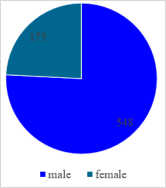
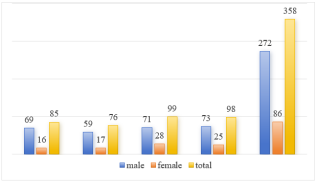
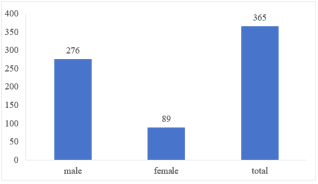
Among the 723 RM patients, 548 cases were male, 175 cases were female, and 75.8% were male (shown in the Figure 1). Among the 358 inpatients, 272 cases were male, and 86 cases were female (shown in the Figure 2). Among the 365 outpatients, 276 cases were male, and 89 cases were female (shown in the Figure 3). A total of ninety-one outpatients were transferred to the hospital, comprising 70 men and 21 women.
Figure 1. Gender Distribution.
Figure 2. Gender Distribution of Inpatients.
3.1.2. Age Distribution
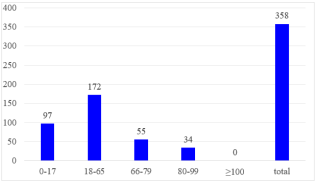
Patients were between 2 years and 95 years, the median age of inpatients was 49 years, and the mean age was 45.97 years. Outpatients were 5 years old-87 years old, the median age is 26 years and mean 33.56 years, the age of 91 patients of whom was 6-86 years, median age 21 years and mean age 29.75 years. We found that most RM occurred in minors and youth. More details about age distribution of outpatients and inpatients with RM are shown in the Figure 4 and Figure 5.
3.1.3. Length of Hospital Stay (days)
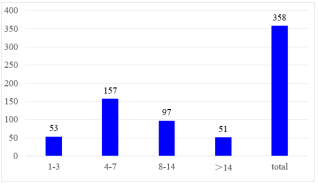
Length of hospital stay of most inpatients were between 4 days and 14 days, with more detailed data shown in Figure 6.
3.2. Main Diagnosis of Outpatients
Among the 365 outpatients, there were 287 patients whose main diagnosis was RM or its serious complications, of which 258 cases main diagnosis were RM and 29 patients were mainly diagnosed with hyperkalemia, renal insufficiency, and abnormal liver function.
Figure 3. Gender Distribution of Outpatients.
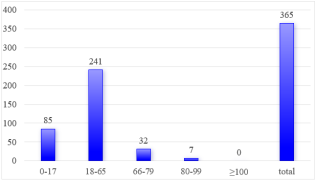
Figure 4. Distribution of Outpatients in Different Age-stages.
3.3. Main Diagnosis of Inpatients
Among the 358 inpatients, 176 patients were mainly diagnosis RM or its serious complications, of which 143 patients’ main diagnosis were RM, and 33 were main diagnosed with hyperkalemia, renal insufficiency, and liver function abnormalities. Myocardial infarction or myocarditis or myocardial damage was also classified as primary RM.
3.4. Other Primary Causes or Risk Factors or Clinical Characteristic of Outpatient RM
3.4.1. Poisoning
There were no poisoned patients among the outpatients, while 3 patients were poisoned among the inpatients, all of whom were pesticide poisoning, including 1 case of organophosphate pesticide poisoning and 2 cases of insecticide poisoning. There were only three cases of RM caused by carbon monoxide poisoning, which was much lower than the incidence rate of the Taizhou Area during from 2005 to June 2020. Extrusion syndrome occurred in 1 outpatient.
Figure 5. Distribution of Inpatients in Diferrent Age-stages.
Notes: none had RM in nonagenarian. RM most happened to minors and youth people by WHO method, who may be divided into minors, youth or middle-aged group by Chinese method.
Figure 6. Length of Hospitalization.
3.4.2. Infection
There were 16 outpatients involved in infection, of which 11 patients had upper respiratory tract infection or bronchitis, 2 patients had fever or infectious fever, 2 patients had urinary tract infection, 1 patient had acute gastroenteritis, and 1 patient had streptococcal infection.
3.4.3. Pain
There were 20 outpatients with pain as the main diagnosis, including 11 cases of simple pain and lower limb pain, 2 cases of myalgia, 2 cases of abdominal pain, 2 cases of low back pain, 1 case of chest pain, 1 case of foot pain, and 1 case of shoulder joint pain. In this study, chest pain was classified as the primary diseases causing RM, and other pain was regarded as clinical manifestations of RM.
3.4.4. Hypothyroidism
Among the outpatients, 2 cases of hypothyroidism were used as the primary cause of RM, while no hyperthyroidism was found. other chronic diseases were generally not used as the primary cause of RM.
3.4.5. Muscle injury
Among the outpatients, there were 5 cases of muscle injury in all, including 2 cases of myositis and 1 case of myocardial injury, which were used as primary diseases causing RM.
3.5. Other Primary Causes or Risk Factors or Clinical Characteristic of Inpatient RM
3.5.1. Electrolyte Disturbance (Shown in the Table 1)
There were 15 cases of hypocalcemia, 2 cases of hyperphosphatemia, and 1 case of hypercalcemia (co-occurrence with hyperphosphatemia). There was 1 patient with hypochloremia and no patient with hyperchloremia. Among inpatients, 41 were hypokalemia, accounting for 11.45%, while no hypokalemia was found in outpatients. 8 cases had hyponatremia, and 2 cases had heat stroke, which may indicate that heat stroke is prone to hyponatremia. Hypernatremia occurred in 6 cases. And 4 patients had hypocalcemia and hypercalcemia in 1 patient in 176 patients with the main diagnosis of RM or its serious complications. All 102 electrolyte disturbances occurred in 57 hospitalized patients, Primary etiology covers a wide range of patients, including infections, wound, Heat radiation sickness et al. No diagnosis of electrolyte disorder was found in the outpatients, which may be related to the short outpatient retention time and the doctor's missing diagnosis. In addition, among the hospitalized patients, 43 patients with gout or hyperuricemia were found, which was related to the pathophysiological changes of RM.
3.5.2. Surgery
143 had a primary diagnosis of RM, none of which had surgery. There were 215 patients whose main diagnosis was not RM, and 88 cases had surgery or operation, accounting for 41.40%, including 2 cases of hyperbaric oxygen administration and 7 cases of hemodialysis.
3.5.3. Acid-base Imbalance
There were 22 cases of metabolic acidosis, of which 1 case was combined with respiratory alkalosis, but there was no respiratory acidosis and metabolic alkalosis. There were 6 cases of diabetic ketoacidosis and 2 cases of hyperosmolar diabetic hyperglycemic coma.
3.5.4. Heat Radiation Sickness
There were 18 cases of heat radiation sickness or heat stroke.
3.5.5. Infection
Among the 358 hospitalized patients, there were 138 infected patients, including 69 cases of pneumonia or pulmonary infection, 1 case of pulmonary aspergillosis, 25 cases of sepsis, 11 cases of septic shock, 4 cases of septic shock, 14 cases of new coronavirus infection (9 cases with pneumonia, 1 case with septic shock, 1 case with myocarditis).
3.5.6. Myositis and Other Inflammation
There were 8 cases of myositis, 3 of whom were myocarditis, including 1 case of infectious myocarditis and 1 case of fulminant myocarditis), 1 case of acute hepatitis E, 1 case of acute pancreatitis, and 1 case of new bunyavirus infection.
3.5.7. Fractures
There were 29 fractures, and only 4 were female. There were 24 cases of trauma, including 14 cases with fractures. There were 4 cases of crush injury, 2 of whom were females.
3.5.8. Carbon Monoxide Poisoning and Alcoholism
RM occurred in 1 case of acute alcoholism,and 4 cases of carbon monoxide poisoning, of whom there were 2 women and 2 men.
3.5.9. Thyroid Dysfunction
It also occurred in nine patients with hypothyroidism and two patients with hyperthyroidism.
3.5.10. Other Primary Causes
One case was injured by electric shock. Burns happened in 2 cases. Two patients were stung by bees. Four patients had malignant tumors, five had personal history of malignancy, and three had elevated carcinoembryonic antigen. Multiple organ failure occurred in 14 patients, all of whom were non-infectious and only 4 did not involve cardiac insufficiency or arrhythmia or myocardial damage. Six patients had diabetic ketoacidosis and two patients had diabetic hyperglycemic status in coma.
3.6. Complications
Among 358 inpatients, 158 cases developed abnormal liver function, and 94 cases developed acute renal dysfunction as the main clinical manifestation of RM. A total of 21 cases of chronic renal disease or chronic renal failure (including hypertensive renal failure) were not considered as the cause of RM.
3.7. Outcome of Outpatients
91 patients of the 365 outpatients were transferred to the hospital, and the other 274 outpatients were improved or cured by the outpatient treatment. Among the 91 patients transferred to hospital, only 1 patient was transferred to uremia and underwent long-term hemodialysis, and the other patients were all improved or cured after treatment, and 1 case was cured after being transferred to a higher-level hospital for treatment, and there was no death.
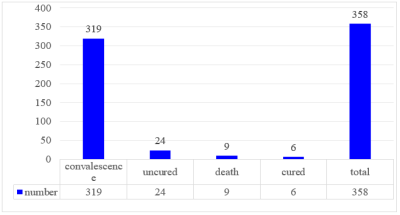
Figure 7. Outcome of Inpatients.
3.8. Outcome of the 358 Inpatients (Shown in the Figure 7)
6 cases were cured, accounting for 1.68%. 319 cases were improved, accounting for 89.11%. 24 cases were uncured (based to the situation at discharge in our medical center), accounting for 6.70%, of whom 1 case was transferred to superior hospital, cured, 1 case was discharged automatically, 2 cases were transferred to uremia and hemodialysis treatment. Three of the 24 uncured patients were discharged automatically (an 83-year-old man with poor treatment effect returned home, then transferred to long-term hemodialysis, 1 patient returned home for long hospitalization for 112 days, and a 23-year-old male was discharged automatically for 1 day), and 1 patient was transferred to a higher hospital and cured. Nine inpatients died, with a mortality rate of 2.51%. Six patients over 60 years of age died, including 2 women. Among nine deaths, the primary cause of 3 cases were trauma, 2 cases of myocardial infarction, 2 cases of pesticide poisoning (1 organophosphorus pesticide poisoning, 1 insecticide poisoning), 1 case of heat sickness and 1 case of sepsis. More details about the patients who died during hospitalization were shown in the Table 2.
Table 2. Clinical Characteristic of 9 Patients Who Died during Hospitalization.

Patients

Case 1

Case 2

Case 3

Case 4

Case 5

Case 6

Case 7

Case 8

Case 9

Gender

male

female

male

male

female

male

male

male

male

Age (years)

62

60

16

68

70

65

44

29

60

Discharge Department

ICU

Emergency

Emergency

ICU

Emergency

Emergency

Emergency

ICU

Emergency

Length of Stay (days)

15

10

8

8

7

5

4

2

1

Primary Diagnosis

Myocardial Injury

Traumatic Shock

Traumatic Subarachnoid Hemorrhage

Organophosphorus Poisoning

Intracranial Injury

Organophosphorus Poisoning

Acute Myocardial Infarction

Heat Stroke

Acute Myocardial Infarction

Secondary Diagnosis/Complications

MOF, Acute Pancreatitis

Liver Dysfunction

Lipid Metabolism Disorder, Respiratory Failure

Rhabdomyolysis, Myocardial Enzyme Elevation

Prostate Hyperplasia, Renal Stones

COPD, Rhabdomyolysis, Acute Renal Failure

Hyperuricemia, Renal Stone, Hypertension

MOF

Hypertension, Atherosclerosis

Key Procedures /Treatments

Mechanical Ventilation, CRRT, Tracheal Intubation, PICCO Monitor, BAL

Mechanical Ventilation (≥96h), CRRT, Plasma Transfusion, Abdominal Drainage.

Craniotomy, Mechanical Ventilation (≥96h), Tracheostomy, Central Venous Catheterization

CRRT, Blood Perfusion, Femoral Catheterization, Tracheal Intubation, CPR

External Fixation, Arterial Puncture, Plasma/RBC Transfusion

Mechanical Ventilation (≥96h), CRRT, Femoral Venous Catheterization

ECMO, PCI, CRRT, Central Venous Catheterization

ECMO, Mechanical Ventilation (≥96h), Bronchoscopy, CRRT,

ECMO, Coronary Stent Implantation, CRRT, Aortical Stent Placement

Notes:

**Secondary Diagnoses/Symptoms: Includes comorbidities, complications, or lab abnormalities.

**abbreviations:

MOF=Multiple Organ Failure

CRRT= Continuous Renal Replacement Therapy

PICCO=Pulse Contour Cardiac Output

BAL= Bronchoalveolar Lavage

ECMO= Extracorporeal Membrane Oxygenation

PCI= Percutaneous Coronary Intervention

Procedures are abbreviated for brevity but retain clinical relevance.

**All patients died during hospitalization.

3.9. Distribution of Outpatient and Inpatient Departments for Patients with RM
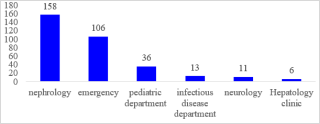
The largest number of patients with RM were diagnosed in the nephrology outpatient department, and among all the inpatient departments, the emergency department and nephrology department received the largest number of patients with RM. The other detailed data are shown in Figure 8 and Figure 9.
Figure 8. Department Distribution of Outpatients.
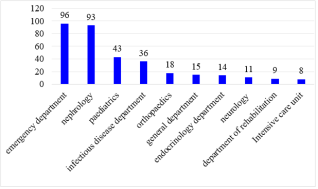
Figure 9. Department Distribution of Inpatients.

4. Discussion
RM is a state of skeletal muscle destruction as a result of the breakdown and necrosis of striated muscle tissue. In this process, a significant number of intracellular enzymes enter the bloodstream, ultimately leading to various systemic complications .
Despite the wide spectrum of causes of RM, the mechanism of RM is the same in each case and comes down to an increase in the amount of ionized intracellular calcium. As a result of damage to the cell membranes of muscle cells, transmembrane proteins are destroyed, including ion channels and pumps, the most important of which are the Na-K-ATP pump and the Na+/Ca2+ exchanger, which allow the cell to maintain a negative ionic potential and low calcium concentration . The depletion of cellular ATP reserves also impairs the proper functioning of pumps and ion channels also leading to an uncontrolled increase in calcium concentration in myocytes . As a consequence, calcium homeostasis is disturbed and excessive amounts of ionized calcium accumulates in the cells, which activates proteolytic enzymes, ultimately leading to apoptosis and the release of large amounts of CK, potassium, and myoglobin into the bloodstream .
After exposure to the causative agent, symptoms of RM develop within hours/days in the form of a classic triad of symptoms including brown urine pigmentation, muscle pain and weakness . However, the above-mentioned symptoms occur in less than 10% of patients . In addition, patients may present swelling and muscle cramps, scant urination, and a number of other nonspecific symptoms, including dysrhythmias due to dyselectrolytemia . Importantly, nearly 50% of patients may present no symptoms .
There are many methods for diagnosing RM. Laboratory tests play a key role in the diagnosis, among them serum CK measurements or urine myoglobin determinations are the most common. RM is characterized by a gradual increase in CK concentration, reaching its peak 24-72 h after the triggering factor. Measurement of CK concentration appears to be the most reliable biochemical marker of skeletal muscle damage, with the CK-MM subtype having the highest sensitivity and its five-fold increase above the upper limit of normal being the gold standard for diagnosis. Myoglobinuria results from the rapid renal excretion of myoglobin released from damaged muscle, and a visible change in urine color occurs at values >100 mg/dL of myoglobin in urine . UA, which can detect hematuria and proteinuria, may be a helpful tool in making the diagnosis. Electrolyte testing also provides us with a lot of relevant information, in which hyperkalemia, hyperphosphatemia, hypercalcemia or hypocalcemia, increased creatinine and bilirubin, increased anion gap and hyperuricemia may be present . In addition to the methods mentioned above, there are other methods that are less common but allow for the differential diagnosis of acquired causes from genetic causes of RM. Among these methods, we can mention the forearm exercise test (FET), acylcarnitine profile, graded exercise testing, muscle biopsy, and genetic testing .
The findings from this study provide a comprehensive overview of the clinical characteristics, risk factors, and outcomes of RM in both outpatient and inpatient settings. The results highlight several key points that warrant further discussion.
4.1. Gender and Age Distribution
The study revealed a significant gender disparity, with 75.8% of RM patients being male. This aligns with previous research suggesting that males are more prone to RM due to factors such as higher muscle mass, greater engagement in strenuous physical activities, and higher rates of trauma or substance use. The age distribution further indicated that RM predominantly affects minors and young adults, with a median age of 26 years for outpatients and 49 years for inpatients. This suggests that younger individuals may be more susceptible to RM due to lifestyle factors (e.g., exercise, trauma) or infections, while older patients may experience RM as a complication of chronic conditions or medication use .
4.2. Primary Causes and Risk Factors
The study identified a wide range of primary causes and risk factors for RM, including infections, trauma, electrolyte disturbances, burns, and heat-related illnesses . Notably, infections (e.g., upper respiratory tract infections, sepsis) were a significant contributor, particularly among inpatients. This underscores the importance of early diagnosis and management of infections to prevent RM. Additionally, electrolyte imbalances, such as hypokalemia and hypocalcemia, were prevalent among inpatients, highlighting the need for careful monitoring and correction of electrolytes in high-risk patients.
Trauma and muscle injury were also prominent causes, particularly in younger patients, emphasizing the role of physical activity and accidents in RM development . Heat-related illnesses, such as heat stroke, were another critical factor, especially in regions with high temperatures, suggesting the need for public health interventions to reduce heat exposure.
4.3. Complications and Outcomes
The study reported a high rate of complications, particularly acute renal dysfunction (26.3% of inpatients) and abnormal liver function (44.1% of inpatients). These findings are consistent with the known pathophysiology of RM, where myoglobin release can lead to renal tubular injury and multi-organ dysfunction. The mortality rate of 2.51% among inpatients, primarily driven by trauma, myocardial infarction, and sepsis, highlights the severe consequences of RM in critically ill patients.
The outcomes for outpatients were generally favorable, with most patients improving or being cured through outpatient treatment. However, the transfer of 91 outpatients to inpatient care suggests that early identification of severe cases is crucial to prevent complications and improve outcomes.
4.4. Clinical Implications
The findings have several clinical implications:
1. Early Diagnosis and Monitoring: Clinicians should maintain a high index of suspicion for RM in patients presenting with muscle pain, weakness, or dark urine, particularly in the context of trauma, infection, or heat exposure . Routine monitoring of renal function and electrolytes is essential to prevent complications.
2. Preventive Measures: Public health initiatives should focus on reducing risk factors such as heat exposure, promoting safe physical activity, and managing chronic conditions that predispose to RM.
3. Multidisciplinary Care: The management of RM often requires a multidisciplinary approach, involving nephrologists, emergency physicians, and intensivists, to address the complex and varied etiologies and complications.
4. The primary diagnosis of RM does not mean that the patient is a primary RM, and the secondary diagnosis cannot rule out that RM is a primary disease. In current research, we did not perform the genetic examination . One male patient developed the disease 2 years apart and should be alert for primary RM and recommended genetic testing if necessary. More example of causes of muscle damage are shown in Table 3. Although this study was only conducted in the Taizhou Region and could not completely replace the national epidemiological survey, it can be used as a clue for in-depth survey of RM in other regions.
Table 3. Examples of causes of muscle damage .

Acquired

Genetic

Consumption of alcohol and illegal substances

Metabolic myopathies

Prescription medications such as antipsychotics

Channelopathies

Electrolyte and metabolic disturbances

Muscular dystrophies

Pesticide and toxin ingestion

Mitochondria disorders

Injury including crush syndrome

Disorders of lipid metabolism

Exposure to extreme temperatures e.g., malignant neuroleptic syndrome, heat stroke

Disorders of glycolysis

Exertion including intense physical exertion, seizures, epileptic status

Disorders of glycogenolysis

Viral/bacterial infections

5. Conclusion
This study has confirmed that RM is becoming common, early detection and early treatment mean mostly good prognosis, suggesting that we should focus on outpatient screening. For severely ill patients with RM, admission as soon as possible and active treatment can avoid serious adverse outcomes. While rhabdomyolysis generally carries a low mortality risk, patients with severe comorbidities may not achieve survival benefit from hemodialysis monotherapy. Adjunctive approaches targeting pathogenic factors, such as extracorporeal myoglobin adsorption, should be considered to improve clinical outcomes .
This study provides valuable insights into the clinical characteristics, risk factors, and outcomes of rhabdomyolysis in both outpatient and inpatient settings. The predominance of male patients and younger individuals, along with the significant role of infections, trauma, and electrolyte disturbances, underscores the need for targeted preventive and therapeutic strategies. While outpatient outcomes are generally favorable, the high rate of complications and mortality among inpatients highlights the importance of early diagnosis and aggressive management. Future research should focus on developing standardized protocols for RM management and exploring interventions to reduce risk factors, particularly in high-risk populations.
By addressing these challenges, healthcare providers can improve outcomes for patients with RM and reduce the burden of this potentially life-threatening condition .
Abbreviations

RM

Rhabdomyolysis

CK

Creatine Kinass

CK-MM

Creatine Kinass-Musle type

Author Contributions
Zheng Yang is the sole author. The author read and approved the final manuscript.
Funding
This research received no external funding.
Data Availability Statement
The data used in this article are sourced from materials mentioned in the references.
Conflicts of Interest
The authors declare no conflict of interest.
References
[1] Stahl K; Rastelli E; Schoser B. A systematic review on the definition of rhabdomyolysis. J. Neurol. 2020, 267, 877-882.
[2] Chavez LO; Leon M; Einav S; et al. Beyond muscle destruction: A systematic review of rhabdomyolysis for clinical practice. Crit. Care 2016, 20, 135.
[3] McKenna MC; Kelly, M. Boran G; et al. Spectrum of rhabdomyolysis in an acute hospital. Ir. J. Med. Sci. 2019, 188, 1423-1426.
[4] Ms JRN; Mammen AL. Diagnostic evaluation of rhabdomyolysis. Muscle Nerve 2015, 51, 793-810.
[5] Cabral BMI; Edding SN; Portocarrero JP; et al. Rhabdomyolysis. Disease-A-Month 2020, 66, 101015.
[6] Bosch X; Poch E; Grau JM. Rhabdomyolysis and Acute Kidney Injury. N. Engl. J. Med. 2009, 361, 62-72.
[7] Somagutta MR; Pagad S; Sridharan S; et al. Role of Bicarbonates and Mannitol in rhabdomyolysis: A Comprehensive Review. Cureus 2020, 12, e9742.
[8] Fodili F; Van Bommel EFH. Severe rhabdomyolysis and acute renal failure following recent Coxsackie B virus infection. Neth. J. Med. 2003, 61, 177-179.
[9] Pires RE, Reis IGN, Waldolato GS, et al. What Do We Need to Know About Musculoskeletal Manifestations of COVID-19: A Systematic Review. JBJS Rev. 2022 Jun 3; 10(6).
[10] Masuda Y, Wam R, Paik B, Ngoh C, et al. Clinical characteristics and outcomes of exertional rhabdomyolysis after indoor spinning: a systematic review. Phys Sportsmed. 2023 Aug; 51(4): 294-305.
[11] Bäcker HC, Richards JT, Kienzle A, et al. Exertional Rhabdomyolysis in Athletes: Systematic Review and Current Perspectives. Clin J Sport Med. 2023 Mar 1; 33(2): 187-194.
[12] Díaz-López EJ, Villar-Taibo R, Rodriguez-Carnero G, et al. Should we suspect primary aldosteronism in patients with hypokalaemic rhabdomyolysis? A systematic review. Front Endocrinol (Lausanne). 2023 Sep 22; 14: 1257078.
[13] Ivin N, Della Torre V, Sanders F, et al. Rhabdomyolysis caused by carnitine palmitoyltransferase 2 deficiency: A case report and systematic review of the literature. J Intensive Care Soc. 2020 May; 21(2): 165-173.
[14] Ren J, Wang Y, Nie J, et al. Venlafaxine-Associated Rhabdomyolysis: A Literature Review. J Clin Psychopharmacol. 2024 May-Jun 01; 44(3): 297-301.
[15] Zhai W, Liu H, Li J, et al. Pregabalin-induced rhabdomyolysis: a case series and literature analysis. J Int Med Res. 2024 Jun; 52(6): 3000605241257776.
[16] Safari S, Aghili SH, Shahlaee MA, et al.Incidence of Electrolyte Imbalances Following Traumatic rhabdomyolysis: A Systematic Review and Meta-Analysis. Cureus. 2024 Apr 30; 16(4): e59333.
[17] Fernandez JJ, Smith SR. Traumatic rhabdomyolysis: Crush Syndrome, Compartment Syndrome, and the 'Found Down' Patient. J Am Acad Orthop Surg. 2024 Feb 15; 32(4): e166-e174.
[18] Liu MW, Zhang CH, Zhang QJ, et al. Rhabdomyolysis caused by Botrychium ternatum intoxication: Case report and literature review. Medicine (Baltimore). 2024 Mar 1; 103(9): e37304.
[19] Forni L, Aucella F, Bottari G, et al. Hemoadsorption therapy for myoglobin removal in rhabdomyolysis: consensus of the hemoadsorption in rhabdomyolysis task force. BMC Nephrol. 2024 Jul 31; 25(1): 247.
[20] Legrand M, Clark AT, Neyra JA, et al. Acute kidney injury in patients with burns. Nat Rev Nephrol. 2024 Mar; 20(3): 188-200.
[21] Shi P, Wang C, Lyu Y. Primary aldosteronism with hypokalemic rhabdomyolysis: a case report and review of the literature. J Med Case Rep. 2024 Aug 9; 18(1): 362.
[22] Karimi M, Faal Hamedanchi N, Ansari K, et al. Rhabdomyolysis secondary to COVID-19 infection and vaccination: a review of literature. Front Med (Lausanne). 2024 Nov 20; 11: 1460676.
[23] Amanollahi A, Babeveynezhad T, Sedighi M, et al. Incidence of rhabdomyolysis occurrence in psychoactive substances intoxication: a systematic review and meta-analysis. Sci Rep. 2023 Oct 17; 13(1): 17693.
[24] Danaei B, Sharifi A, Mazloom H, et al. Prevalence of Compartment Syndrome and Disseminated Intravascular Coagulation following rhabdomyolysis; a Systematic Review and Meta-Analysis. Arch Acad Emerg Med. 2023 Aug 1; 11(1): e55.
[25] Dantas GHM, de Alkmim Moreira Nunes R, Casimiro-Lopes G, et al. Analysis of physiological markers and risk factors for the development of rhabdomyolysis in military personnel: a systematic review. Rev Environ Health. 2022 Jul 19; 38(4): 613-620.
Cite This Article
  • APA Style

    Yang, Z. (2025). Clinical Characteristics, Risk Factors and Outcome of Rhabdomyolysis in 723 Inpatients and Outpatients: A Four-Year Retrospective Study. American Journal of Life Sciences, 13(6), 218-228. https://doi.org/10.11648/j.ajls.20251306.16

    Copy | Download

    ACS Style

    Yang, Z. Clinical Characteristics, Risk Factors and Outcome of Rhabdomyolysis in 723 Inpatients and Outpatients: A Four-Year Retrospective Study. Am. J. Life Sci. 2025, 13(6), 218-228. doi: 10.11648/j.ajls.20251306.16

    Copy | Download

    AMA Style

    Yang Z. Clinical Characteristics, Risk Factors and Outcome of Rhabdomyolysis in 723 Inpatients and Outpatients: A Four-Year Retrospective Study. Am J Life Sci. 2025;13(6):218-228. doi: 10.11648/j.ajls.20251306.16

    Copy | Download

  • @article{10.11648/j.ajls.20251306.16,
      author = {Zheng Yang},
      title = {Clinical Characteristics, Risk Factors and Outcome of Rhabdomyolysis in 723 Inpatients and Outpatients: 
    A Four-Year Retrospective Study},
      journal = {American Journal of Life Sciences},
      volume = {13},
      number = {6},
      pages = {218-228},
      doi = {10.11648/j.ajls.20251306.16},
      url = {https://doi.org/10.11648/j.ajls.20251306.16},
      eprint = {https://article.sciencepublishinggroup.com/pdf/10.11648.j.ajls.20251306.16},
      abstract = {Objective: This study aimed to analyze the clinical characteristics, risk factors, and outcomes of rhabdomyolysis (RM) in both outpatient and inpatient settings to improve understanding and management of this condition. The study results lay the groundwork for developing targeted screening protocols and early intervention strategies to mitigate the risk of RM. Methods: A retrospective analysis was conducted on 723 RM patients, including 365 outpatients and 358 inpatients, over a 4-year observation period. Data on gender, age distribution, primary causes, risk factors, complications, and outcomes were collected and analyzed. Statistical analysis was performed using SPSS 30.0 software. Frequencies (n) and percentages (%) were used to describe categorical data, and the χ2 test was conducted using group comparisons. Continuous data were analyzed using the t-test, and multivariate logistic regression was employed to assess multiple influencing factors. Results: Among the 723 RM patients, 75.8% were male, with a median age of 26 years for outpatients and 49 years for inpatients. The primary causes of RM included infections (e.g., upper respiratory tract infections, sepsis), trauma, electrolyte disturbances (e.g., hypokalemia, hypocalcemia), and heat-related illnesses (e.g., heat stroke). Complications such as acute renal dysfunction (26.3% of inpatients) and abnormal liver function (44.1% of inpatients) were common. The mortality rate among inpatients was 2.51%, primarily due to trauma, myocardial infarction, and sepsis. Outpatient outcomes were generally favorable, with 91 cases requiring hospitalization and only one case progressing to uremia. Conclusion: RM predominantly affects males and younger individuals, with infections, trauma, and electrolyte imbalances being significant risk factors. Early diagnosis and management are critical to preventing complications, particularly acute renal dysfunction. Public health interventions targeting risk factors, such as heat exposure and infections, are essential to reduce the burden of RM. This study highlights the need for multidisciplinary care and standardized protocols to improve outcomes in RM patients.},
     year = {2025}
    }
    

    Copy | Download

  • TY  - JOUR
    T1  - Clinical Characteristics, Risk Factors and Outcome of Rhabdomyolysis in 723 Inpatients and Outpatients: 
    A Four-Year Retrospective Study
    AU  - Zheng Yang
    Y1  - 2025/12/27
    PY  - 2025
    N1  - https://doi.org/10.11648/j.ajls.20251306.16
    DO  - 10.11648/j.ajls.20251306.16
    T2  - American Journal of Life Sciences
    JF  - American Journal of Life Sciences
    JO  - American Journal of Life Sciences
    SP  - 218
    EP  - 228
    PB  - Science Publishing Group
    SN  - 2328-5737
    UR  - https://doi.org/10.11648/j.ajls.20251306.16
    AB  - Objective: This study aimed to analyze the clinical characteristics, risk factors, and outcomes of rhabdomyolysis (RM) in both outpatient and inpatient settings to improve understanding and management of this condition. The study results lay the groundwork for developing targeted screening protocols and early intervention strategies to mitigate the risk of RM. Methods: A retrospective analysis was conducted on 723 RM patients, including 365 outpatients and 358 inpatients, over a 4-year observation period. Data on gender, age distribution, primary causes, risk factors, complications, and outcomes were collected and analyzed. Statistical analysis was performed using SPSS 30.0 software. Frequencies (n) and percentages (%) were used to describe categorical data, and the χ2 test was conducted using group comparisons. Continuous data were analyzed using the t-test, and multivariate logistic regression was employed to assess multiple influencing factors. Results: Among the 723 RM patients, 75.8% were male, with a median age of 26 years for outpatients and 49 years for inpatients. The primary causes of RM included infections (e.g., upper respiratory tract infections, sepsis), trauma, electrolyte disturbances (e.g., hypokalemia, hypocalcemia), and heat-related illnesses (e.g., heat stroke). Complications such as acute renal dysfunction (26.3% of inpatients) and abnormal liver function (44.1% of inpatients) were common. The mortality rate among inpatients was 2.51%, primarily due to trauma, myocardial infarction, and sepsis. Outpatient outcomes were generally favorable, with 91 cases requiring hospitalization and only one case progressing to uremia. Conclusion: RM predominantly affects males and younger individuals, with infections, trauma, and electrolyte imbalances being significant risk factors. Early diagnosis and management are critical to preventing complications, particularly acute renal dysfunction. Public health interventions targeting risk factors, such as heat exposure and infections, are essential to reduce the burden of RM. This study highlights the need for multidisciplinary care and standardized protocols to improve outcomes in RM patients.
    VL  - 13
    IS  - 6
    ER  - 

    Copy | Download

Author Information
  • Abstract
  • Keywords
  • Document Sections

    1. 1. Introduction
    2. 4. Discussion
    3. 5. Conclusion
    Show Full Outline
  • 2 Materials and Methods
  • 3 Results
  • Abbreviations
  • Author Contributions
  • Funding
  • Data Availability Statement
  • Conflicts of Interest
  • References
  • Cite This Article
  • Author Information