Review Article | | Peer-Reviewed

3P in Diagnostics of Viral Infections: Principles, Platforms, and Practice

Received: 2 December 2025     Accepted: 11 December 2025     Published: 29 December 2025
Views:       Downloads:
Abstract

Accurate and timely viral diagnostics are central to modern clinical care and public health surveillance, guiding patient management, outbreak control, and population-level interventions. Even though advanced molecular technologies such as RT-qPCR, next-generation sequencing, and CRISPR-based assays have transformed viral detection, the diagnostic performance is shaped not only by analytical platforms but by the integrated flow of principles, platforms, and practice (3P framework). In essence, specimen type, timing of collection, transport conditions, and storage critically influence diagnostic sensitivity, which accounts for up to 60-70% of errors before laboratory analysis even begins. Direct detection approaches, including RT-qPCR, digital PCR, sequencing, and antigen assays, are examined as complementary tools rather than competing technologies, each occupying specialized clinical and public health niches. Indirect detection through serological and cellular immune assays is reviewed as a means of assessing exposure, immunity, and population-level transmission. The practical application of diagnostics is further discussed in key clinical contexts, including acute respiratory infections, chronic viral diseases, and arboviral illnesses, highlighting the importance of algorithmic testing strategies and epidemiological context. The real-world interpretation challenges are addressed, that emphasize on the pretest probability, false-positive and false-negative risks. Limitations of current evidence, including variability in study design, lack of standardization, and underrepresentation of low-resource settings, are critically assessed. Finally, emerging technologies such as CRISPR diagnostics, microfluidics, and lab-on-chip platforms are discussed as drivers of decentralized, rapid, and globally accessible testing. When biological principles, diagnostic technologies, and real-world clinical practice are considered together, it becomes clear that the true effectiveness of viral diagnostics does not rest on analytical performance alone. Rather, meaningful impact depends on how well diagnostic tools are integrated into everyday clinical decision making and public health systems. Looking ahead, the greatest advances are likely to come from diagnostic ecosystems that combine rapid detection with real-time data sharing and context-aware interpretation. Such an interconnected approach has the potential to transform viral diagnostics from isolated laboratory tests into continuous safeguards for both individual patients and population health. This review synthesizes current evidence across all stages of viral diagnostics, with particular emphasis on the often-overlooked pre-analytical and interpretative phases that dominate real world diagnostic error.

Published in International Journal of Infectious Diseases and Therapy (Volume 10, Issue 4)
DOI 10.11648/j.ijidt.20251004.13
Page(s) 93-104
Creative Commons

This is an Open Access article, distributed under the terms of the Creative Commons Attribution 4.0 International License (http://creativecommons.org/licenses/by/4.0/), which permits unrestricted use, distribution and reproduction in any medium or format, provided the original work is properly cited.

Copyright

Copyright © The Author(s), 2025. Published by Science Publishing Group

Keywords

Viral Infections, Viral Diagnostics, RT-PCR, Serology

1. Introduction
The diagnosis of viral infections has become one of the central challenges in modern medicine, both for guiding individual patient care and informing public health responses. Accurate diagnostics allow clinicians to distinguish between viral and non-viral causes of disease, to initiate appropriate treatment, and to implement infection control measures in a timely manner . On a larger scale, diagnostic testing underpins outbreak surveillance, shapes vaccination strategies, and supports global preparedness in light of emerging pathogens. These critical roles have only been emphasized by recent global experiences with pandemics such as Coronavirus disease 2019 (COVID-19), where the ability to detect infection quickly and reliably was inseparably tied to the effectiveness of public health interventions .
Despite the prominence of cutting-edge molecular platforms, such as real-time PCR, next-generation sequencing, and CRISPR-based assays, the diagnostic process cannot be understood purely in terms of the technology used in the analytical stage . Instead, viral diagnostics are best conceptualized as a continuum of three interdependent domains: principles, platforms, and practice. Principles encompass the biological and biochemical foundations that define what is being measured, and why. Platforms refer to the technological and methodological tools employed to detect viral targets. Practice, however, integrates these elements into clinical reality, acknowledging the logistical, procedural, and interpretative steps that shape outcomes in day-to-day patient management.
On this continuum, errors most frequently arise not from the analytical sophistication of the platforms, but from failures in practice, particularly during the pre-analytical phase. Studies consistently demonstrate that as many as 60-70% of diagnostic errors originate before the sample ever reaches the laboratory bench . In this phase, the choice of specimens, the timing of collection, and the conditions of transport and storage exert profound influences on test performance. These pre-analytical vulnerabilities remain the most frequent hidden cause of diagnostic failure, even in well-resourced laboratory environments equipped with advanced molecular platforms .
The central aim of this review, therefore, is to examine viral diagnostics through the lens of the 3P framework (namely principles, platforms, and practice). With particular attention paid to the ways in which each stage determines the accuracy and utility of test results (Table 1). Beginning with the pre-analytical phase, we will highlight how specimen type, collection methods, and storage strategies shape diagnostic sensitivity. We will then turn to the analytical phase, where molecular and serological platforms are advancing rapidly, before finally addressing the practical realities of implementing diagnostics across diverse clinical and public health settings. As we attempt to conceptually incorporate these elements together, this review intends to paint a comprehensive picture of how viral diagnostics can be optimized to serve both patients and populations (Figure 1).
Table 1. Overview of diagnostic approaches for viral infections across the 3P framework. The table summarizes major diagnostic approaches for viral infections organized into principles (pre-analytical considerations), platforms (analytical methods), and practice (interpretation and application). Overview of diagnostic approaches for viral infections across the 3P framework. The table summarizes major diagnostic approaches for viral infections organized into principles (pre-analytical considerations), platforms (analytical methods), and practice (interpretation and application). Overview of diagnostic approaches for viral infections across the 3P framework. The table summarizes major diagnostic approaches for viral infections organized into principles (pre-analytical considerations), platforms (analytical methods), and practice (interpretation and application).

Domain

Sub-category

Key methods / examples

Strengths

Limitations

Clinical contexts

Principles (pre-analytical)

Specimen type

NP/OP swabs, saliva, blood, stool, CSF, biopsies

High sensitivity if optimal sample chosen

Invasive procedures, degradation risk

Respiratory viruses (swabs), systemic viruses (blood), neurotropic viruses (CSF)

Timing

Early sampling (3-5 days post symptoms for SARS-CoV-2)

Maximizes viral load detection

Late collection leading to false negatives

Acute infections

Handling and transport

Viral transport medium, stabilization buffers

Preserves nucleic acids/proteins

Cold chain needed, freeze-thaw damage

All infections

Platforms (analytical)

Nucleic acid amplification

RT-qPCR, digital PCR

High sensitivity, quantification

Cost, contamination risk

SARS-CoV-2, HIV, HBV

Sequencing

NGS, metagenomics

Pathogen discovery, surveillance

Expensive, infrastructure heavy

Novel pathogens, genomic epidemiology

Antigen detection

Rapid antigen, CLIA, ECLIA

Fast, scalable

Lower sensitivity, time-window limited

Respiratory viruses, mass screening

Serology

ELISA, neutralization assays

Detects past exposure, population immunity

Cross-reactivity, waning antibodies

Dengue vs Zika, COVID-19 serosurveys

Cellular assays

ELISpot, IGRA

Detects T cell immunity

Complex, limited standardization

SARS-CoV-2

Practice (interpretation and application)

Acute infections

Algorithmic testing (Antigen and PCR)

Rapid triage, confirmatory testing

False negatives if misapplied

RSV, COVID-19

Chronic infections

Viral load, resistance testing

Guides therapy, monitors response

Requires infrastructure

HIV, HBV, HCV

Arboviruses

Serology and molecular antigens

Holistic diagnosis

Cross-reactivity common

Dengue, Zika

Real-world interpretation

Bayesian reasoning, pretest probability

Integrates epidemiology and test data

Requires clinician training

All infections

NP: Nasopharyngeal; OP: Oropharyngeal; CSF: Cerebrospinal fluid; RT-qPCR: Reverse transcription quantitative polymerase chain reaction; PCR: Polymerase chain reaction; NGS: Next-generation sequencing; CLIA: Chemiluminescent immunoassay; ECLIA: Electrochemiluminescence immunoassay; ELISA: Enzyme-linked immunosorbent assay; ELISpot: Enzyme-linked immunospot; IGRA: Interferon-γ release assay; HBV: Hepatitis B virus; HCV: Hepatitis C virus; HIV: Human immunodeficiency virus; RSV: Respiratory syncytial virus, COVID-19: Coronavirus disease 2019, SARS-CoV-2: Severe acute respiratory syndrome coronavirus 2.
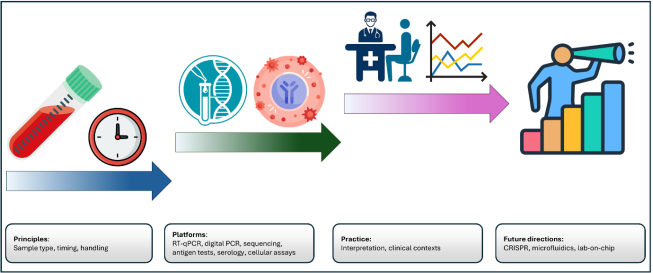
Figure 1. The suggestive 3P model of viral diagnostic scheme. The suggestive 3P model of viral diagnostic scheme.
This framework illustrates how Principles, Platforms, and Practice (3P) interact to shape diagnostic accuracy and clinical impact. Principles include specimen type, timing, and handling, which promote the foundations for reliable testing. Platforms encompass analytical technologies, such as RT-qPCR, digital PCR, sequencing, antigen detection, serology, and cellular assays, each with unique strengths and limitations. Practice refers to applying results in real world contexts, including algorithmic testing, longitudinal monitoring, and interpretation guided by pretest probability and Bayesian reasoning. The integration of these three domains ensures that diagnostics move beyond isolated technical performance to deliver actionable insights for patients and populations, linking laboratory accuracy to real-world decision making and public health outcomes.
2. Pre-Analytical Phases: Getting the Sample Right
The accuracy of viral diagnostics begins long before a sample reaches the analytical platform, and it is in this pre-analytical phase that the foundations of diagnostic reliability are laid. One of the most critical considerations in this stage is the choice of specimen type. Respiratory viruses such as influenza and SARS-CoV-2 are most reliably detected in nasopharyngeal and oropharyngeal swabs, which remain the gold standard in routine diagnostics. However, more recent investigations during the COVID-19 pandemic have demonstrated that saliva and anterior nasal swabs offer comparable sensitivity, while providing advantages in terms of patient comfort and ease of collection, particularly for repeated testing . In contrast, systemic viral infections such as human immunodeficiency virus (HIV) and hepatitis B (HBV) or C (HCV) are more effectively diagnosed using blood-derived samples, with plasma often demonstrating superior RNA stability compared to serum . Other viruses, particularly enteric pathogens such as rotaviruses, adenoviruses, and noroviruses, necessitate stool sampling, whereas viruses with urinary excretion, although typically at lower viral loads, can be detected in urine specimens . More invasive specimens, such as cerebrospinal fluid and tissue biopsies, remain indispensable for diagnosing neurotropic viruses like herpes simplex or Japanese encephalitis virus, but their collection is naturally limited by clinical risk and feasibility .
The timing of sample collection is no less important than its type. In acute viral infections, viral loads are dynamic and often peak early in the course of an illness, as has been shown with SARS-CoV-2, where diagnostic yield is highest around three to five days after symptoms onset. Delays in sampling can significantly reduce viral detectability and may lead to false-negative results . In addition, in the context of COVID-19, direct SARS-CoV-2 virus detection in samples obtained from the respiratory tract is not plausible (false-negative outcomes); however, antibody detection is possible and endorsed . The importance of aligning collection windows with viral kinetics is therefore a major scheme of diagnostic practice.
Beyond timing and type, the devices and conditions under which specimens are collected and transported also have profound effects on diagnostic success. Flocked nylon swabs, for example, have been shown to improve the release of viral particles compared to traditional cotton swabs, thus enhancing test sensitivity . Once collected specimens are typically placed in viral transport media, which provides stabilization of viral nucleic acids and proteins during transit. However, alternative approaches such as dry swabs with immediate processing or the use of specialized RNA stabilization buffers have emerged as viable solutions, particularly in contexts where cold-chain logistics are difficult to maintain .
Storage and transport conditions remain another critical determinant of specimen integrity. Ideally, respiratory specimens should be processed within 24-48 hours of collection . When delays are unavoidable, short-term storage at 4°C may preserve nucleic acids for up to 72 hours, while long-term preservation requires freezing at -80°C. Multiple freeze-thaw cycles, however, can rapidly compromise RNA integrity, leading to degraded templates and diminished sensitivity . Stability varies significantly between specimen types. while plasma and properly stored swabs can maintain analyte stability for extended periods, saliva and stool specimens degrade more rapidly in the absence of stabilizing additives. This has spurred innovations such as lysis buffers, ambient-temperature preservation cards, and transport tubes containing stabilizers, all of which are designed to maintain sample integrity outside of ideal laboratory conditions .
From a practical clinical standpoint, the pre-analytical phase remains the most decisive determinant of diagnostic accuracy. Delayed transport, suboptimal storage, and inappropriate collection devices can undermine even the most sophisticated molecular platforms. Despite major technological advances in amplification and detection, the reliability of viral diagnostics still hinges on disciplined specimen handling, standardized workflows, and continual staff training. In routine practice, this foundational stage often dictates whether downstream analytical excellence translates into meaningful clinical information. .
3. Direct Detection of Viruses
The direct detection of viruses (normally initiated 1-3 days after infection) remains the core of modern diagnostics, providing the most immediate evidence of active infection. Unlike antibody-based methods that reflect past exposure, direct detection identifies viral nucleic acids or proteins present at the time of sampling, enabling clinicians to establish infection status with high specificity. Over the past two decades, molecular amplification techniques, sequencing approaches, and antigen-based assays have evolved into complementary tools, each occupying a distinct niche within the diagnostic landscape (Table 2) .
Table 2. Comparative overview of diagnostic techniques for viral infections. Comparative overview of diagnostic techniques for viral infections. Comparative overview of diagnostic techniques for viral infections.

Technique

Sensitivity

Strengths

Weaknesses

RT-qPCR

High

Gold standard; high specificity and sensitivity; rapid turnaround; widely available

Requires cold chain and technical expertise; contamination risk; semi-quantitative (Ct values vary)

Digital PCR

Very high

Absolute quantification; excellent for low-copy detection (early HIV, HBV, residual SARS-CoV-2); reproducible

Expensive; limited availability; lower throughput compared to RT-qPCR

NGS

High (context-dependent)

Unbiased detection; pathogen discovery; genomic surveillance; detects co-infections and resistance mutations

Costly; requires bioinformatics and infrastructure; clinical interpretation can be complex

Rapid Antigen Tests (Lateral flow)

Low to moderate

Fast (<30 min); inexpensive; point-of-care; scalable for mass screening

Lower sensitivity (especially late infection); performance depends on viral load and timing; more false negatives

Laboratory-based Antigen Assays (CLIA, ECLIA)

Moderate to high

High-throughput; automated; more sensitive than lateral flow

Still less sensitive than PCR; may detect non-viable viruses; requires lab setting

Serology (ELISA, Neutralization assays)

Moderate

Detects past exposure and immunity; useful for surveillance; neutralization assays show functional protection

Cross-reactivity (flaviviruses); waning antibodies; cannot distinguish infection vs vaccination easily

Cellular assays (ELISpot, IGRA)

Variable (low-moderate)

Captures T cell immunity; longer-lasting responses than antibodies; adds depth to immune profiling

Technically demanding; requires fresh samples; limited standardization; interpretation still evolving

RT-qPCR: Reverse transcription quantitative polymerase chain reaction; PCR: Polymerase chain reaction; NGS: Next-generation sequencing; CLIA: Chemiluminescent immunoassay; ECLIA: Electrochemiluminescence immunoassay; ELISA: Enzyme-linked immunosorbent assay; ELISpot: Enzyme-linked immunospot; IGRA: Interferon-γ release assay; HBV: Hepatitis B virus; HCV: Hepatitis C virus; HIV: Human immunodeficiency virus, SARS-CoV-2: Severe acute respiratory syndrome coronavirus 2.
3.1. Nucleic Acid Amplification Tests
The introduction of reverse transcription quantitative polymerase chain reaction (RT-qPCR) revolutionized virology by offering rapid and highly sensitive detection of RNA viruses. Its design hinges on the careful selection of genomic targets, typically conserved regions such as the RNA-dependent RNA polymerase or nucleocapsid genes, and the use of specific primer-probe sets that minimize cross-reactivity . However, it should be emphasized that Ct values are not directly interchangeable over the platforms or laboratories, and their clinical interpretation requires careful consideration of assay design, extraction efficiency, and specimen quality. Internal controls (IC) and external controls (EC) serve as essential safeguards, ensuring that both the amplification process and sample integrity are verified . To mitigate the risks of contamination, especially in high-throughput laboratories, enzymatic systems such as uracil-DNA glycosylase (UDG) are routinely incorporated, breaking down carryover amplicons from previous reactions .
While RT-qPCR continues to serve as the reference standard for many viral infections, digital PCR has emerged as a powerful refinement. Unlike traditional amplification, which provides relative quantification, digital PCR partitions reactions into thousands of droplets or wells, enabling absolute quantification of viral genomes without reliance on standard curves . Furthermore, despite its reputation as a reference standard, RT-qPCR still suffers from inter-assay variability that complicates viral load comparison across laboratories. This makes it particularly well suited for detecting low-copy viral loads in clinical niches such as early HIV infection, the monitoring of minimal residual HBV, or confirming the persistence of SARS-CoV-2 in immunocompromised patients . Its sensitivity and reproducibility have made digital PCR a valuable adjunct, particularly in settings where precise quantitation is clinically meaningful.
3.2. Sequencing-Based Methods
Next-generation sequencing (NGS) has expanded the scope of viral diagnostics far beyond targeted detection. Metagenomic NGS, in particular, allows unbiased sequencing of all nucleic acids present in a sample, thereby enabling pathogen discovery without prior assumptions. This approach has been instrumental in identifying novel viruses and uncovering complex co-infections, as seen in studies of respiratory and enteric syndromes where multiple pathogens often coexist . Beyond discovery, sequencing offers insights into viral evolution, drug resistance, and transmission dynamics, making it indispensable for genomic surveillance. However, its clinical utility is tempered by high cost, infrastructure demands, and the challenge of distinguishing clinically significant findings from background microbial noise .
3.3. Antigen Detection
In parallel to nucleic acid-based assays, antigen detection methods remain vital due to their speed, scalability, and ease of use. Rapid antigen tests, typically based on lateral flow immunoassays, detect viral proteins such as nucleocapsids and can deliver results in under 30 minutes at the point of care. Their performance, however, is closely tied to the kinetics of viral replication and symptom onset. Sensitivity is highest during peak viral shedding, often in the first week of an illness, and declines thereafter. For this reason, serial testing strategies have been recommended, particularly in community settings, to compensate for reduced sensitivity at single time points .
In contrast, laboratory-based immunoassays such as chemiluminescent immunoassays (CLIA) and electrochemiluminescence immunoassays (ECLIA) offer higher sensitivity and throughput . These assays, automated and capable of processing thousands of samples daily, have been widely deployed in hospital and reference laboratories. Their robustness makes them particularly useful for large-scale screening programs, as demonstrated in the COVID-19 pandemic, where CLIA and ECLIA platforms provided rapid confirmation in high-demand scenarios . Even though nucleic acid tests remain the analytical reference standard, antigen assays continue to serve as indispensable clinical complements, particularly when immediacy of decision-making outweighs the need for maximal analytical sensitivity. Considering the points mentioned, these direct detection modalities illustrate the layered nature of viral diagnostics: RT-qPCR as the established workhorse, digital PCR as a precision tool, sequencing as a frontier for discovery and surveillance, and antigen assays as an accessible point-of-care counterpart. Their combined use and customized to clinical and public health needs highlights the principle that no single platform is sufficient, but rather that each contributes uniquely to the practice of viral diagnostics.
4. Indirect Detection: Host Response
While direct detection methods provide evidence of active viral presence, indirect detection focuses on the immune response of the host. These approaches capture the dynamic interplay between pathogens and the immune system, offering insights into both recent and past exposure. Serological and cellular assays are most prominent in this category, each contributing unique perspectives on infection status, immunity, and population-level dynamics.
4.1. Serology
Serological assays remain the most widely used tools for assessing host responses to viral infections. The temporal kinetics of antibody development are well characterized for many viruses. Immunoglobulin M (IgM) typically emerges first, signaling a recent or acute infection, whereas immunoglobulin G (IgG) appears later and persists, often for months or years, serving as a marker of past exposure and long-term immunity. Immunoglobulin A (IgA), particularly relevant in mucosal infections such as influenza or SARS-CoV-2, provides complementary insights into local immune responses .
Beyond simply identifying antibody classes, the distinction between binding and neutralizing antibodies is crucial. Binding assays, such as ELISA measure the presence of antibodies directed against viral antigens, but they do not guarantee functional protection . Neutralization assays, in contrast, evaluate the ability of antibodies to block viral entry into host cells, thereby serving as a more direct proxy of protective immunity. The development of pseudovirus based neutralization platforms has enabled the broader application of such tests, even outside high-containment laboratories .
Serological data extend beyond individual diagnoses to inform public health. Large-scale serosurveys, conducted during epidemics, provide population-level estimates of exposure and immunity. During the COVID-19 pandemic, such surveys were critical for gauging the spread of SARS-CoV-2, estimating the proportion of asymptomatic infections, and informing vaccine deployment strategies . A challenge remains, however, in interpreting antibody waning and differentiating vaccine-induced from infection-induced responses, an issue that underscores the need for assays targeting multiple antigenic domains.
4.2. Cellular Immunity
Whereas antibodies reflect the humoral arm of adaptive immunity, cellular responses offer another dimension of indirect detection. T-cell assays such as enzyme-linked immunospot (ELISpot) and interferon-γ release assays (IGRAs) measure antigen-specific T cell activation. These tests gained attention during the SARS-CoV-2 pandemic, as they revealed that individuals lacking measurable antibodies may still mount robust cellular responses, thereby contributing to protection .
The promise of T cell-based diagnostics lies in their ability to capture a broader and longer-lasting picture of immunity, as T cell responses often persist beyond the decline of circulating antibodies . However, significant limitations hinder their widespread adoption. ELISpot and IGRA-like approaches are technically demanding, requiring fresh or cryopreserved peripheral blood mononuclear cells and sophisticated laboratory expertise. Standardization across laboratories remains limited, and the correlation between measured T-cell activity and clinical protection is still under investigation . Despite these challenges, the integration of cellular assays with serology provides a richer understanding of host immunity. As a result, they form a complementary toolkit that not only aids in individual patient management but also strengthens population-level assessments of immune landscapes following outbreaks or vaccination campaigns.
5. Special Clinical Contexts
The application of viral diagnostics often demands adaptation to a specific clinical and epidemiological context. The nature of an infection, whether acute or chronic, endemic or emerging, shapes the diagnostic strategy, determining which platforms are most appropriate and how results are interpreted. Three scenarios highlight the complexity of diagnostic practice: acute respiratory infections, chronic viral infections, and arboviral diseases.
Acute respiratory infections, including influenza, respiratory syncytial virus (RSV), and SARS-CoV-2, exemplify the need for algorithmic testing strategies. These viruses present with overlapping clinical syndromes, making syndromic diagnosis unreliable. Molecular amplification tests, particularly RT-qPCR, have become the cornerstone of acute respiratory diagnostics. During seasonal influenza, multiplex PCR panels allow the simultaneous detection of influenza A and B alongside RSV, thus reducing the time to diagnosis and guiding antiviral use . The COVID-19 pandemic further underscored the importance of structured algorithms, in which rapid antigen tests served as triage tools for mass screening, while PCR confirmation provided definitive results. The integration of testing algorithms ensured balance between speed, accuracy, and resource allocation, particularly in high-prevalence settings .
In chronic viral infections, such as HBV, HCV, and HIV, diagnostic strategies extend beyond detection to long-term monitoring. For HBV and HIV, the quantification of viral load is indispensable, serving as both a marker of disease activity and a guide for therapeutic response . In HCV, viral RNA testing is central to confirming active infection, while genotyping remains crucial for tailoring antiviral regimens . Resistance testing, particularly in HIV and increasingly in HBV, is now embedded into routine practice to guide antiretroviral selection and prevent treatment failure . These chronic infections exemplify the way in which diagnostics evolve from one-time detection tools into continuous monitoring systems, integrated deeply into the cycle of clinical care.
Arboviral infections such as dengue and Zika illustrate another diagnostic challenge, namely, serological cross-reactivity . Both viruses belong to the Flaviviridae family and share extensive antigenic overlap, making it difficult to distinguish them using conventional ELISA assays. Cross-reactivity can lead to false-positive results, particularly in regions where multiple flaviviruses co-circulate, such as in Latin America and Southeast Asia . Travel history and epidemiological context therefore play vital roles in interpretation, guiding the likelihood of infection by one virus over another. Molecular diagnostics, particularly RT-PCR, provide definitive discrimination in acute cases, but their utility diminishes beyond the narrow viremic window. Consequently, accurate diagnosis often relies on combining molecular, serological, and contextual information into a coherent clinical picture .
These special clinical contexts reveal that viral diagnostics are not static tools but adaptive systems. In respiratory infections, algorithms balance accuracy and speed; in chronic infections, viral load monitoring and resistance testing enable personalized medicine; and in arboviruses, the interplay between biology and epidemiology highlights the irreplaceable role of clinical context. Together, they emphasize the broader principle that the practice of viral diagnostics must always be customized to the infection at hand.
6. Interpreting Results in the Real World
The interpretation of viral diagnostic results does not end with a laboratory report. In practice, the clinical value of any test depends on its integration into the broader context of patient presentation, epidemiological background, and pretest probability. A highly sensitive molecular assay may detect viral RNA with extraordinary precision, but without thoughtful interpretation, such findings can mislead more than they inform.
In real-world clinical decision-making, pretest probability is often the most underappreciated yet decisive component of diagnostic reasoning. It represents the clinician’s estimate of the likelihood of infection before testing, informed by symptoms, exposure history, and epidemiological data. Bayes’ theorem provides the mathematical framework for updating this probability in light of test results, translating laboratory sensitivity and specificity into real-world positive and negative predictive values. In high-prevalence settings, even modestly specific tests can provide useful information, while in low-prevalence contexts, the risk of false positives grows disproportionately . For example, a positive SARS-CoV-2 RT-PCR result in a community with near-zero transmission may represent contamination or residual viral fragments, rather than active infection. Conversely, in the midst of an outbreak, a negative antigen test in a symptomatic patient must be interpreted with caution, as the pretest probability remains high .
False positives and false negatives are unavoidable realities of all diagnostic systems. False positives may arise from the contamination of reagents, cross-reactivity with related viruses, or detection of clinically irrelevant viral remnants . Such outcomes can lead to unnecessary isolation, stigmatization, or inappropriate treatment. False negatives, on the other hand, often result from a poor sampling technique, low viral load at the time of collection, or the degradation of specimens. The consequences here may be more severe, as they risk unchecked transmission or missed opportunities for treatment .
Mitigation strategies depend on understanding these vulnerabilities. Repeat testing, especially with assays of complementary design (for example antigen followed by PCR), can reduce error rates. Internal controls embedded within assays help to flag inhibition or sample inadequacy. At the systems level, Bayesian network models and decision-support tools are being explored to guide clinicians in reconciling test results with epidemiological context, thereby bridging the gap between laboratory precision and clinical reality . Education also plays a role; clinicians often overestimate the certainty conveyed by a positive or negative result, and structured training in probabilistic thinking improves interpretation .
Ultimately, diagnostic testing is not a binary gatekeeper but a probabilistic tool, one that narrows uncertainty rather than eliminating it. In the real world, viral diagnostics achieve their greatest value when interpreted not in isolation but in concert with pretest probability, clinical features, and epidemiological awareness. The art of interpretation, as much as the science of detection, defines their practical utility.
7. Limitations of the Current Evidence
Despite the rapid advances in diagnostic technologies, the evidence base supporting their use is far from complete. Much of what is known about diagnostic performance is derived from controlled laboratory studies or carefully selected clinical cohorts. These environments rarely reflect the variability and unpredictability of real-world practice, where differences in patient populations, operator skill, and resource availability introduce substantial noise. For instance, systematic reviews of SARS-CoV-2 testing by Jarrom et al. and Tsang et al. highlight that pooled estimates of sensitivity and specificity conceal large variations between studies, influenced by sampling site, timing of collection, and methodological inconsistencies .
One major limitation is the lack of any standardized evaluation frameworks. Diagnostic accuracy studies often suffer from bias, particularly when case-control designs exaggerate performance compared to prospective, consecutive sampling. The underreporting of pre-analytical factors, such as specimen handling and transport, further obscures reproducibility across studies . As a result, even widely adopted platforms may perform unpredictably when deployed in routine care, as seen in the under-ascertainment of respiratory syncytial virus in adults due to insensitive diagnostic testing .
Another persistent gap lies in the scarcity of head-to-head comparisons. While numerous platforms, ranging from RT-qPCR to antigen assays and sequencing, have been individually validated, few studies have systematically compared their performance across diverse clinical settings. This omission hinders evidence-based algorithm design, particularly in low-resource contexts where cost and throughput must be balanced against sensitivity. Furthermore, cross-reactivity in serological assays for flaviviruses like dengue and Zika exemplifies the lack of rigorous validation across co-endemic settings .
Emerging technologies such as biosensors, point-of-care nucleic acid amplification, and artificial intelligence driven diagnostics are often accompanied by early proof-of-concept data but lack long-term validation. Their promise remains tempered by small sample sizes, publication bias, and a focus on technical feasibility, rather than clinical outcomes . Similarly, digital innovations such as wearable biosensors and real-world data integration in diagnostics face challenges of interoperability, regulatory approval, and equity of access .
Finally, evidence gaps are not merely methodological but also structural. Underserved populations remain underrepresented in diagnostic evaluations, leading to tools optimized for high-income settings, while neglecting the realities of resource-limited environments . The absence of large, multicenter implementation studies limits the ability to generalize findings, and without such evidence, diagnostics risk perpetuating inequities in global health.
8. Conclusions and Future Perspectives
The evolution of viral diagnostics has followed principles of sensitivity, specificity, and scalability, moving from classical serology and culture to highly sophisticated molecular platforms (Figure 1). However, as the last sections have highlighted, limitations remain in real-world performance, accessibility, and evidence robustness. Hence, the future of viral diagnostics will be shaped by technologies that bridge the gap between laboratory precision and bedside practicality, with CRISPR systems, microfluidics, and lab-on-chip approaches at the forefront.
CRISPR-based diagnostics represent perhaps the most disruptive innovation in recent years. Cas12 and Cas13 nucleases, with their collateral cleavage activity, have enabled the development of ultra-sensitive assays capable of detecting viral nucleic acids within minutes, without requiring thermal cycling. Platforms such as SHERLOCK (Specific High-sensitivity Enzymatic Reporter unLOCKing) and DETECTR (DNA Endonuclease Targeted CRISPR Trans Reporter) demonstrated their utility during the COVID-19 pandemic, detecting SARS-Cov-2 RNA in minimally processed samples with accuracy comparable to RT-PCR . Beyond SARS-CoV-2, CRISPR assays are being adapted for multiplex detection of influenza, HIV, and arboviruses, raising the possibility of universal pathogen panels deployable at the point of care . Their programmability and low-cost position CRISPR tools as catalysts of democratized diagnostics, provided challenges in standardization, stability, and regulatory approval are addressed.
Microfluidics and lab-on-chip technologies further extend these possibilities by miniaturizing complex laboratory workflows into portable, integrated systems. Microfluidic chips can automate sample preparation, nucleic acid amplification, and detection in a closed device, thus reducing contamination risks and operator dependency. Integration with CRISPR detection modules or isothermal amplification expands their versatility, enabling point-of-care testing with sensitivity that rivals centralized laboratories . Paper-based microfluidics and electrochemical biosensors, in particular, show promise for low-resource settings where affordability and robustness are paramount . The convergence of CRISPR, microfluidics, and lab-on-chip platforms heralds a future where diagnostics are decentralized, rapid, and globally accessible. This future is not merely technical but also systemic; successful implementation will require validation in diverse populations, supply chain innovations to ensure equitable access, and integration with digital health infrastructures to link diagnostics with surveillance systems.
The principal challenge for viral diagnostics will not lie solely in further improving analytical sensitivity, but in ensuring that decentralized and rapid testing technologies can be meaningfully integrated into public health surveillance and clinical decision frameworks. In the author’s view, the greatest impact will arise from diagnostic ecosystems that link rapid detection, real time data transmission, and context aware interpretation. Integrated aligning of principles, platforms, and real-world practice, would help viral diagnostics to evolve from isolated laboratory tests into continuous, system level safeguards for population health.
Abbreviations

3P

Principles, Platforms, and Practice

Cas12

CRISPR-associated Protein 12

Cas13

CRISPR-associated Protein 13

CLIA

Chemiluminescent Immunoassay

COVID-19

Coronavirus Disease 2019

CRISPR

Clustered Regularly Interspaced Short Palindromic Repeats

Ct

Cycle Threshold

EC

External Control

ECLIA

Electrochemiluminescence Immunoassay

ELISA

Enzyme-Linked Immunosorbent Assay

ELISpot

Enzyme-Linked ImmunoSpot

HBV

Hepatitis B Virus

HCV

Hepatitis C Virus

HIV

Human Immunodeficiency Virus

IC

Internal Control

IgA

Immunoglobulin A

IgG

Immunoglobulin G

IgM

Immunoglobulin M

IGRA

Interferon-Gamma Release Assay

NGS

Next-Generation Sequencing

PCR

Polymerase Chain Reaction

RNA

Ribonucleic Acid

RSV

Respiratory Syncytial Virus

RT-PCR

Reverse Transcription Polymerase Chain Reaction

RT-qPCR

Reverse Transcription Quantitative Polymerase Chain Reaction

SARS-CoV-2

Severe Acute Respiratory Syndrome Coronavirus 2

SHERLOCK

Specific High-sensitivity Enzymatic Reporter unLOCKing

DETECTR

DNA Endonuclease Targeted CRISPR Trans Reporter

UDG

Uracil-DNA Glycosylase

Acknowledgments
The authors would like to thank the Deanship of Scientific Research at Shaqra University for supporting this work.
Author Contributions
Hassan Albargy is the sole author. The author read and approved the final manuscript.
Funding
Not applicable.
Data Availability Statement
Not applicable.
Conflicts of Interest
The author declares that they have no conflict of interest.
References
[1] Dronina, J., U. Samukaite-Bubniene, and A. Ramanavicius, Advances and insights in the diagnosis of viral infections. Journal of Nanobiotechnology, 2021. 19(1): p. 348.
[2] Misra, A. and E. A. Powell, Preanalytical Challenges of Molecular Microbiology Tests. Clinics in Laboratory Medicine, 2024. 44(1): p. 33–43.
[3] Pallen, M. J., N. J. Loman, and C. W. Penn, High-throughput sequencing and clinical microbiology: progress, opportunities and challenges. Current opinion in microbiology, 2010. 13(5): p. 625–631.
[4] Fournier, P. E., et al., Modern clinical microbiology: new challenges and solutions. Nature Reviews Microbiology, 2013. 11(8): p. 574–585.
[5] Lippi, G., et al., Causes, consequences, detection, and prevention of identification errors in laboratory diagnostics. Clinical chemistry and laboratory medicine, 2009. 47(2): p. 143–153.
[6] van Zyl, G., et al., Lessons in diagnostic virology: expected and unexpected sources of error. Reviews in medical virology, 2019. 29(4): p. e2052.
[7] Chavez, V., Sources of pre-analytical, analytical and post-analytical errors in the microbiology laboratory, in Accurate results in the clinical laboratory. 2019, Elsevier. p. 377–384.
[8] Hardt, M., et al., Pre-analytical sample stabilization by different sampling devices for PCR-based COVID-19 diagnostics. New Biotechnology, 2022. 70: p. 19–27.
[9] Rasool, G., et al., COVID-19: Clinical laboratory diagnosis and monitoring of novel coronavirus infected patients using molecular, serological and biochemical markers: A review. International journal of immunopathology and pharmacology, 2022. 36: p. 03946320221115316.
[10] Padalko, E., et al., Preanalytical variables influencing the interpretation and reporting of biological tests on blood samples of living and deceased donors for human body materials. Cell and tissue banking, 2024. 25(2): p. 509–520.
[11] Singh, S., A. Yadav, and S. Sharma, Choice of Samples for Molecular Diagnosis of Viral Disease, in Molecular Diagnostics for Viral Diseases: Challenges and Emerging Concepts. 2025, Springer. p. 47–63.
[12] Liu, B. M., et al., Laboratory diagnosis of CNS infections in children due to emerging and re-emerging neurotropic viruses. Pediatric research, 2024. 95(2): p. 543–550.
[13] Olie, S. E., et al., Molecular diagnostics in cerebrospinal fluid for the diagnosis of central nervous system infections. Clinical Microbiology Reviews, 2024. 37(4): p. e00021–24.
[14] Basso, D., et al., SARS-CoV-2 RNA identification in nasopharyngeal swabs: issues in pre-analytics. Clinical Chemistry and Laboratory Medicine (CCLM), 2020. 58(9): p. 1579–1586.
[15] Lee, C. Y. P., et al., Serological approaches for COVID-19: epidemiologic perspective on surveillance and control. Frontiers in immunology, 2020. 11: p. 879.
[16] Hardt, M., et al., Pre-analytical properties of different respiratory viruses for PCR-based detection: Comparative analysis of sampling devices and sample stabilization solutions. New Biotechnology, 2024. 79: p. 60–70.
[17] Ilardo, C., et al., Performance and pre-analytical stability of self-collected samples versus clinician cervical samples for the detection of HPV16, HPV18 and a pool of 12 other HPV types on the Roche Cobas 8800 System. New Microbiol, 2022. 45(2): p. 111–114.
[18] Setzer, M., J. Juusola, and J. Ballantyne, Recovery and stability of RNA in vaginal swabs and blood, semen, and saliva stains. Journal of forensic sciences, 2008. 53(2): p. 296–305.
[19] Zoch-Lesniak, B., et al., The Respiratory Specimen Collection Trial (ReSpeCT): a randomized controlled trial to compare quality and timeliness of respiratory sample collection in the home by parents and healthcare workers from children aged< 2 years. Journal of the Pediatric Infectious Diseases Society, 2020. 9(2): p. 134–141.
[20] Dunn, J. J., Specimen collection, transport, and processing: virology. Manual of clinical microbiology, 2015: p. 1405–1421.
[21] Busby, E. J., Metrology and Molecular Diagnosis of Infection. 2020, UCL (University College London).
[22] Ji, X., et al., The impact of repeated freeze–thaw cycles on the quality of biomolecules in four different tissues. Biopreservation and biobanking, 2017. 15(5): p. 475–483.
[23] Abulfathi, F. A., Evaluation and validation of room temperature biospecimens transportation and storage technologies as an alternative cost effective solution to cold chain logistics and storage within biobanking and/or diagnostics. 2017, Stellenbosch: Stellenbosch University.
[24] Barranco, T., et al., Changes of salivary biomarkers under different storage conditions: effects of temperature and length of storage. Biochem Med (Zagreb), 2019. 29(1): p. 010706.
[25] Lustrek, M., et al., Influenza A, Influenza B, human respiratory syncytial virus and SARSCoV-2 molecular diagnostics and epidemiology in the post COVID-19 era. Respiratory Research, 2024. 25(1): p. 234.
[26] Vester, D., et al., Real-time RT-qPCR assay for the analysis of human influenza A virus transcription and replication dynamics. Journal of virological methods, 2010. 168(1-2): p. 63–71.
[27] Pereira, L., et al., Standardization of a high-performance RT-qPCR for viral load absolute quantification of influenza A. Journal of Virological Methods, 2022. 301: p. 114439.
[28] Watzinger, F., K. Ebner, and T. Lion, Detection and monitoring of virus infections by real-time PCR. Molecular aspects of medicine, 2006. 27(2-3): p. 254–298.
[29] Reta, D. H., et al., Molecular and immunological diagnostic techniques of medical viruses. International Journal of Microbiology, 2020. 2020(1): p. 8832728.
[30] Chauhan, N., S. Soni, and U. Jain, Optimizing testing regimes for the detection of COVID-19 in children and older adults. Expert review of molecular diagnostics, 2021. 21(10): p. 999–1016.
[31] Merino, I., et al., Digital PCR applications for the diagnosis and management of infection in critical care medicine. Critical Care, 2022. 26(1): p. 63.
[32] Meng, Z., et al., Applications of laboratory findings in the prevention, diagnosis, treatment, and monitoring of COVID-19. Signal transduction and targeted therapy, 2021. 6(1): p. 316.
[33] Shaffaf, T., COVID-9 Detection Strategies: Recent Advances and Future Prospects. 2021.
[34] Lambisia, A. W., Comparison of the Diagnostic Performance of TaqMan Array Cards, Enzyme Immunoassay, Real-Time PCR and Next Generation Sequencing in Investigation of Five Common Diarrhoea-Associated Enteric Viruses in Kilifi, Kenya. 2021, JKUAT-COHES.
[35] Yuan, X., et al., Current and perspective diagnostic techniques for COVID-19. ACS infectious diseases, 2020. 6(8): p. 1998–2016.
[36] Nguyen, N. N., et al., Development of diagnostic tests for detection of SARS-CoV-2. Diagnostics, 2020. 10(11): p. 905.
[37] Iliescu, F. S., et al., Point-of-care testing—the key in the battle against SARS-CoV-2 pandemic. Micromachines, 2021. 12(12): p. 1464.
[38] Pandey, S. K., et al., Diagnostic tools for rapid screening and detection of SARS-CoV-2 infection. Vaccines, 2022. 10(8): p. 1200.
[39] Gómez‐Vicente, E., et al., Comparative evaluation of chemiluminescent immunoassay and enzyme‐linked immunosorbent assays for the diagnosis of West Nile virus infections. APMIS, 2022. 130(4): p. 215–220.
[40] Wadood, M. and M. Usman, Comparative analysis of electrochemiluminescence assay and chemiluminescent microparticle immunoassay for the screening of hepatitis C. Indian Journal of Hematology and Blood Transfusion, 2019. 35(1): p. 131–136.
[41] Lei, Y., et al., Distribution characteristics of SARS-CoV-2 IgM/IgG in false-positive results detected by chemiluminescent immunoassay. Open Life Sciences, 2022. 17(1): p. 1487–1496.
[42] Nicolai, E., et al., The evolution of serological assays during two years of the COVID-19 pandemic: from an easy-to-use screening tool for identifying current infections to laboratory algorithms for discovering immune protection and optimizing vaccine administration. COVID, 2024. 4(8): p. 1272–1290.
[43] Boonham, N., et al., Methods in virus diagnostics: from ELISA to next generation sequencing. Virus research, 2014. 186: p. 20–31.
[44] Lochmanová, A., et al., Comparison of two commercially available interferon-γ release assays for T-cell-mediated immunity and evaluation of humoral immunity against SARS-CoV-2 in healthcare workers. Diagnostics, 2023. 13(4): p. 637.
[45] Dan, J. M., et al., Immunological memory to SARS-CoV-2 assessed for up to 8 months after infection. Science, 2021. 371(6529): p. eabf4063.
[46] Sette, A. and S. Crotty, Adaptive immunity to SARS-CoV-2 and COVID-19. Cell, 2021. 184(4): p. 861–880.
[47] Jacobs, A., The role of antibodies in tuberculosis. 2024.
[48] Sakshi, et al., Novel diagnostic methods for emerging respiratory viral infection, in Emerging Human Viral Diseases, Volume I: Respiratory and Haemorrhagic Fever. 2023, Springer. p. 565–585.
[49] Saha, A., et al., Beyond the Pandemic Era: Recent Advances and Efficacy of SARS-CoV-2 Vaccines Against Emerging Variants of Concern. Vaccines, 2025. 13(4): p. 424.
[50] Berger, A., W. Preiser, and H. W. Doerr, The role of viral load determination for the management of human immunodeficiency virus, hepatitis B virus and hepatitis C virus infection. Journal of clinical virology, 2001. 20(1-2): p. 23–30.
[51] Martinello, M., et al., Management of acute HCV infection in the era of direct-acting antiviral therapy. Nature reviews Gastroenterology & hepatology, 2018. 15(7): p. 412–424.
[52] Shaw, T., A. Bartholomeusz, and S. Locarnini, HBV drug resistance: mechanisms, detection and interpretation. Journal of hepatology, 2006. 44(3): p. 593–606.
[53] Gomes da Silva, P., et al., Serological cross-reactivity in zoonotic flaviviral infections of medical importance. Antibodies, 2023. 12(1): p. 18.
[54] Chan, K. R., et al., Serological cross-reactivity among common flaviviruses. Frontiers in Cellular and Infection Microbiology, 2022. 12: p. 975398.
[55] Dragoni, F., Antiviral drug development for treatment of acute and chronic viral infections. 2021.
[56] Niesters, H., Molecular and diagnostic clinical virology in real time. Clinical microbiology and infection, 2004. 10(1): p. 5–11.
[57] Vainionpää, R., M. Waris, and P. Leinikki, Diagnostic techniques: serological and molecular approaches. Reference module in biomedical sciences, 2015: p. B978–0–12–801238–3.02558–7.
[58] Bentley, P. M., Error rates in SARS-CoV-2 testing examined with Bayesian inference. medRxiv, 2020: p. 2020.12. 17.20248402.
[59] Wu, Y., et al., Bridging the gaps in test interpretation of SARS-CoV-2 through Bayesian network modelling. Epidemiology & Infection, 2021. 149: p. e166.
[60] Klarkowski, D., et al., Causes of false-positive HIV rapid diagnostic test results. Expert review of anti-infective therapy, 2014. 12(1): p. 49–62.
[61] Braunstein, G. D., et al., False positive results with SARS-CoV-2 RT-PCR tests and how to evaluate a RT-PCR-positive test for the possibility of a false positive result. Journal of Occupational and Environmental Medicine, 2021. 63(3): p. e159–e162.
[62] Mitchell, S. L. and M. J. Loeffelholz, Considerations regarding interpretation of positive SARS-CoV-2 molecular results with late cycle threshold values. Journal of Clinical Microbiology, 2022. 60(9): p. e00501–22.
[63] Morgan, D. J., et al., Accuracy of practitioner estimates of probability of diagnosis before and after testing. JAMA internal medicine, 2021. 181(6): p. 747–755.
[64] Baduashvili, A., A. T. Evans, and T. Cutler, How to understand and teach P values: a diagnostic test framework. J Clin Epidemiol, 2020. 122: p. 49–55.
[65] Jarrom, D., et al., Effectiveness of tests to detect the presence of SARS-CoV-2 virus, and antibodies to SARS-CoV-2, to inform COVID-19 diagnosis: a rapid systematic review. BMJ evidence-based medicine, 2022. 27(1): p. 33–45.
[66] Tsang, N. N. Y., et al., Diagnostic performance of different sampling approaches for SARS-CoV-2 RT-PCR testing: a systematic review and meta-analysis. The Lancet Infectious Diseases, 2021. 21(9): p. 1233–1245.
[67] Chou, R., P. Easterbrook, and M. Hellard, Methodological challenges in appraising evidence on diagnostic testing for WHO guidelines on hepatitis B and hepatitis C virus infection. BMC infectious diseases, 2017. 17(Suppl 1): p. 694.
[68] Onwuchekwa, C., et al., Underascertainment of respiratory syncytial virus infection in adults due to diagnostic testing limitations: a systematic literature review and meta-analysis. The Journal of infectious diseases, 2023. 228(2): p. 173–184.
[69] Kiselev, D., et al., Current trends in diagnostics of viral infections of unknown etiology. Viruses, 2020. 12(2): p. 211.
[70] Van Zant, W. and P. Ray, Democratization of Point-of-Care Viral Biosensors: Bridging the Gap from Academia to the Clinic. Biosensors, 2025. 15(7): p. 436.
[71] Sarantopoulos, A., et al., Artificial intelligence in infectious disease clinical practice: an overview of gaps, opportunities, and limitations. Tropical Medicine and Infectious Disease, 2024. 9(10): p. 228.
[72] Baumfeld Andre, E., et al., The current landscape and emerging applications for real‐world data in diagnostics and clinical decision support and its impact on regulatory decision making. Clinical Pharmacology & Therapeutics, 2022. 112(6): p. 1172–1182.
[73] Pai, N. P., et al., Barriers to implementation of rapid and point-of-care tests for human immunodeficiency virus infection: findings from a systematic review (1996–2014). Point of care, 2015. 14(3): p. 81–87.
[74] Trickey, A., et al., Impact of hepatitis C virus point-of-care RNA viral load testing compared with laboratory-based testing on uptake of RNA testing and treatment, and turnaround times: a systematic review and meta-analysis. The lancet Gastroenterology & hepatology, 2023. 8(3): p. 253–270.
[75] Wei, L., et al., CRISPR/Cas Multiplexed Biosensing: Advances, Challenges, and Perspectives. Analytical Chemistry, 2025.
[76] Zu, Y., H. Chang, and Z. Cui, Molecular point-of-care testing technologies: current status and challenges. Nexus, 2025.
[77] Wang, Y., et al., Advances in nucleic acid assays for infectious disease: the role of microfluidic technology. Molecules, 2024. 29(11): p. 2417.
[78] Panwar, R., H. Churi, and S. Dave, Point-of-care electrochemical biosensors using CRISPR/Cas for RNA analysis, in Biosensors for Emerging and Re-Emerging Infectious Diseases. 2022, Elsevier. p. 317–333.
Cite This Article
  • APA Style

    Albargy, H. (2025). 3P in Diagnostics of Viral Infections: Principles, Platforms, and Practice. International Journal of Infectious Diseases and Therapy, 10(4), 93-104. https://doi.org/10.11648/j.ijidt.20251004.13

    Copy | Download

    ACS Style

    Albargy, H. 3P in Diagnostics of Viral Infections: Principles, Platforms, and Practice. Int. J. Infect. Dis. Ther. 2025, 10(4), 93-104. doi: 10.11648/j.ijidt.20251004.13

    Copy | Download

    AMA Style

    Albargy H. 3P in Diagnostics of Viral Infections: Principles, Platforms, and Practice. Int J Infect Dis Ther. 2025;10(4):93-104. doi: 10.11648/j.ijidt.20251004.13

    Copy | Download

  • @article{10.11648/j.ijidt.20251004.13,
      author = {Hassan Albargy},
      title = {3P in Diagnostics of Viral Infections: Principles, Platforms, and Practice},
      journal = {International Journal of Infectious Diseases and Therapy},
      volume = {10},
      number = {4},
      pages = {93-104},
      doi = {10.11648/j.ijidt.20251004.13},
      url = {https://doi.org/10.11648/j.ijidt.20251004.13},
      eprint = {https://article.sciencepublishinggroup.com/pdf/10.11648.j.ijidt.20251004.13},
      abstract = {Accurate and timely viral diagnostics are central to modern clinical care and public health surveillance, guiding patient management, outbreak control, and population-level interventions. Even though advanced molecular technologies such as RT-qPCR, next-generation sequencing, and CRISPR-based assays have transformed viral detection, the diagnostic performance is shaped not only by analytical platforms but by the integrated flow of principles, platforms, and practice (3P framework). In essence, specimen type, timing of collection, transport conditions, and storage critically influence diagnostic sensitivity, which accounts for up to 60-70% of errors before laboratory analysis even begins. Direct detection approaches, including RT-qPCR, digital PCR, sequencing, and antigen assays, are examined as complementary tools rather than competing technologies, each occupying specialized clinical and public health niches. Indirect detection through serological and cellular immune assays is reviewed as a means of assessing exposure, immunity, and population-level transmission. The practical application of diagnostics is further discussed in key clinical contexts, including acute respiratory infections, chronic viral diseases, and arboviral illnesses, highlighting the importance of algorithmic testing strategies and epidemiological context. The real-world interpretation challenges are addressed, that emphasize on the pretest probability, false-positive and false-negative risks. Limitations of current evidence, including variability in study design, lack of standardization, and underrepresentation of low-resource settings, are critically assessed. Finally, emerging technologies such as CRISPR diagnostics, microfluidics, and lab-on-chip platforms are discussed as drivers of decentralized, rapid, and globally accessible testing. When biological principles, diagnostic technologies, and real-world clinical practice are considered together, it becomes clear that the true effectiveness of viral diagnostics does not rest on analytical performance alone. Rather, meaningful impact depends on how well diagnostic tools are integrated into everyday clinical decision making and public health systems. Looking ahead, the greatest advances are likely to come from diagnostic ecosystems that combine rapid detection with real-time data sharing and context-aware interpretation. Such an interconnected approach has the potential to transform viral diagnostics from isolated laboratory tests into continuous safeguards for both individual patients and population health. This review synthesizes current evidence across all stages of viral diagnostics, with particular emphasis on the often-overlooked pre-analytical and interpretative phases that dominate real world diagnostic error.},
     year = {2025}
    }
    

    Copy | Download

  • TY  - JOUR
    T1  - 3P in Diagnostics of Viral Infections: Principles, Platforms, and Practice
    AU  - Hassan Albargy
    Y1  - 2025/12/29
    PY  - 2025
    N1  - https://doi.org/10.11648/j.ijidt.20251004.13
    DO  - 10.11648/j.ijidt.20251004.13
    T2  - International Journal of Infectious Diseases and Therapy
    JF  - International Journal of Infectious Diseases and Therapy
    JO  - International Journal of Infectious Diseases and Therapy
    SP  - 93
    EP  - 104
    PB  - Science Publishing Group
    SN  - 2578-966X
    UR  - https://doi.org/10.11648/j.ijidt.20251004.13
    AB  - Accurate and timely viral diagnostics are central to modern clinical care and public health surveillance, guiding patient management, outbreak control, and population-level interventions. Even though advanced molecular technologies such as RT-qPCR, next-generation sequencing, and CRISPR-based assays have transformed viral detection, the diagnostic performance is shaped not only by analytical platforms but by the integrated flow of principles, platforms, and practice (3P framework). In essence, specimen type, timing of collection, transport conditions, and storage critically influence diagnostic sensitivity, which accounts for up to 60-70% of errors before laboratory analysis even begins. Direct detection approaches, including RT-qPCR, digital PCR, sequencing, and antigen assays, are examined as complementary tools rather than competing technologies, each occupying specialized clinical and public health niches. Indirect detection through serological and cellular immune assays is reviewed as a means of assessing exposure, immunity, and population-level transmission. The practical application of diagnostics is further discussed in key clinical contexts, including acute respiratory infections, chronic viral diseases, and arboviral illnesses, highlighting the importance of algorithmic testing strategies and epidemiological context. The real-world interpretation challenges are addressed, that emphasize on the pretest probability, false-positive and false-negative risks. Limitations of current evidence, including variability in study design, lack of standardization, and underrepresentation of low-resource settings, are critically assessed. Finally, emerging technologies such as CRISPR diagnostics, microfluidics, and lab-on-chip platforms are discussed as drivers of decentralized, rapid, and globally accessible testing. When biological principles, diagnostic technologies, and real-world clinical practice are considered together, it becomes clear that the true effectiveness of viral diagnostics does not rest on analytical performance alone. Rather, meaningful impact depends on how well diagnostic tools are integrated into everyday clinical decision making and public health systems. Looking ahead, the greatest advances are likely to come from diagnostic ecosystems that combine rapid detection with real-time data sharing and context-aware interpretation. Such an interconnected approach has the potential to transform viral diagnostics from isolated laboratory tests into continuous safeguards for both individual patients and population health. This review synthesizes current evidence across all stages of viral diagnostics, with particular emphasis on the often-overlooked pre-analytical and interpretative phases that dominate real world diagnostic error.
    VL  - 10
    IS  - 4
    ER  - 

    Copy | Download

Author Information
  • Table 1

    Table 1. Overview of diagnostic approaches for viral infections across the 3P framework. The table summarizes major diagnostic approaches for viral infections organized into principles (pre-analytical considerations), platforms (analytical methods), and practice (interpretation and application). Overview of diagnostic approaches for viral infections across the 3P framework. The table summarizes major diagnostic approaches for viral infections organized into principles (pre-analytical considerations), platforms (analytical methods), and practice (interpretation and application).

  • Table 2

    Table 2. Comparative overview of diagnostic techniques for viral infections. Comparative overview of diagnostic techniques for viral infections.